Cash, Solar Loan, HELOC, PACE, Lease or PPA?
Compare who owns the equipment, how payments work, what secures the obligation and what happens when you sell.
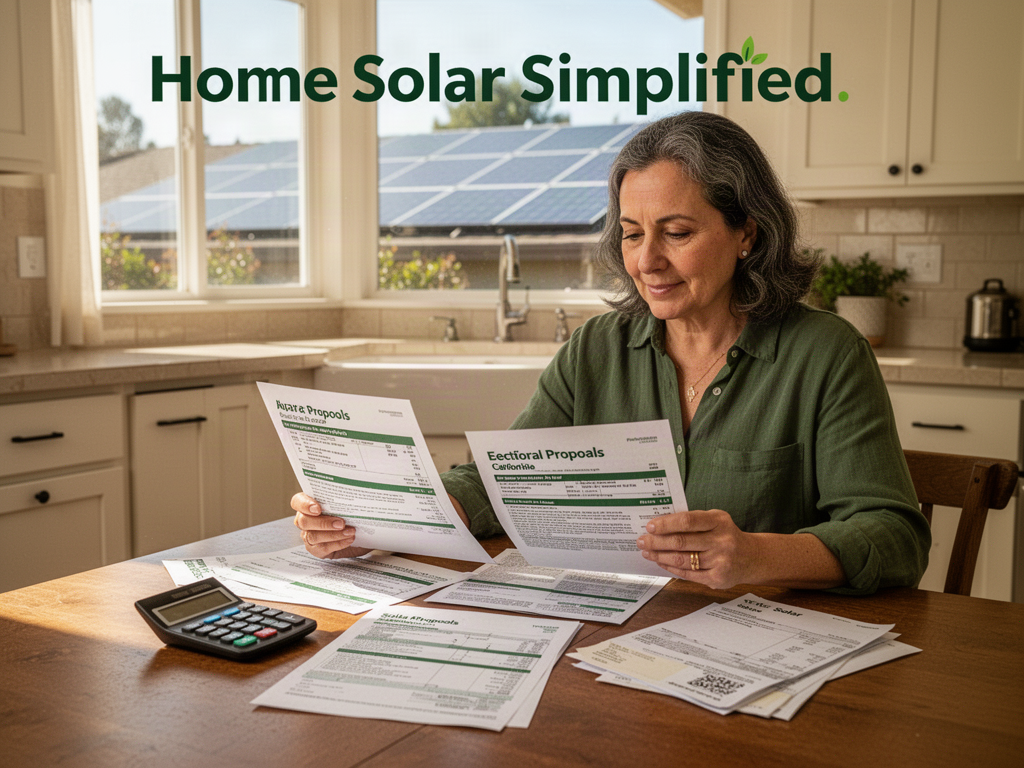
Compare the agreement, not just the payment
There is no single financing method that fits every household. Begin with the same installation scope and written cash price. Then compare upfront cash, total scheduled payments, fees, security, ownership and sale provisions. Availability and approval depend on the provider, property and location.
Cash purchase and solar loans
Cash avoids a loan payment, but reduces savings available for other needs. A solar loan spreads the purchase price over time; request the actual amount financed and payment schedule, not only a promotional payment. A longer term may lower the monthly amount while increasing total payments. Ask whether the loan is secured and what property or equipment is collateral.
HELOC: flexible borrowing secured by your home
A home equity line of credit lets you borrow against available home equity. Rates are commonly variable, and the payment can change between the draw and repayment periods. Ask about the rate index, margin, caps, fees and required repayment. Because the home is security, failure to repay can put it at risk. Compare the lender’s written terms with the solar-specific offer.
PACE: repayment through property taxes
Where available, PACE finances qualifying improvements through an assessment collected with property taxes. It is not a government-paid solar installation. Ask for the full annual assessment, fees, term and effects on escrow, sale and refinancing. Failure to pay can threaten the home. Confirm local availability and discuss mortgage implications with your lender before proceeding.
Lease and PPA: using a system owned by another party
A lease generally charges for use of the equipment; a power purchase agreement charges for electricity produced under its terms. Review annual escalators, performance commitments, maintenance, buyout terms and transfer requirements. Ask how roof repairs are handled. Compare the lease or PPA payment together with the remaining utility bill.
Make a simple total-payment comparison
In a fictional example, $150 paid monthly for 240 months totals $36,000. A $190 payment for 180 months totals $34,200. These invented fixed-payment examples exclude upfront charges, changing rates and other costs. They show why a lower payment alone is insufficient; they are not lender offers.
Do not build the loan around an unavailable credit
Reviewed October 5, 2026: IRS guidance says the homeowner residential clean energy credit is unavailable for property placed in service after December 31, 2025. Ask for a new-project payment schedule without an assumed 30% homeowner credit. Third-party business tax treatment is separate and does not create a homeowner credit.
Your next step
Open the app’s Financing overview to review the options. A directory slot is not a confirmed lender or an approval. Request written terms from actual providers and compare the entire payment obligation. This guide explains comparison questions; it does not determine which loan you should take.
Questions worth asking
- Who owns the system?
- What is the total scheduled payment amount?
- What can change the payment, and what secures the obligation?
- What happens if I sell, refinance or need roof work?
Sources and further reading
DOE: Homeowner’s Guide to SolarCFPB: Solar Financing Issue Spotlight (2024; loan risks, not current tax eligibility)CFPB: What is a HELOC?CFPB: What is a PACE loan?IRS: Residential Clean Energy CreditExplore more for your home
Home Solar Simplified
Explore solar education, battery planning and home energy tools to prepare for your next decision.
Explore Home Solar SimplifiedConnectPoint ISP
Visit ConnectPoint ISP to explore home internet options and ask about service availability at your address.
Visit ConnectPoint ISP