
California Solar Property Tax Exclusion: 2027 Sunset Explained
As of October 22, 2026, California's active-solar new-construction exclusion remains available for qualifying systems completed before January 1, 2027. Existing exclusions continue until a later change in ownership.
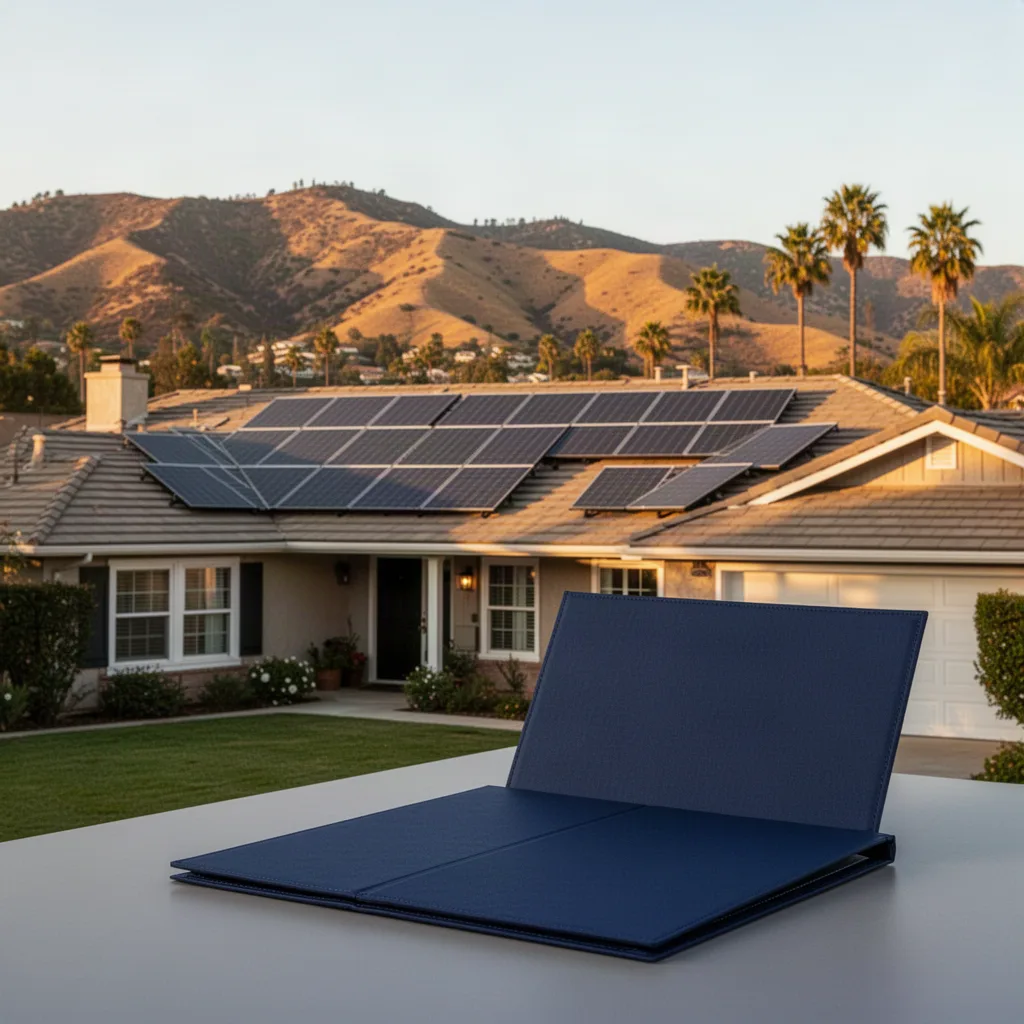
Quick answer: completion before January 1, 2027 is the key current deadline.
As of October 22, 2026, California Revenue and Taxation Code section 73 still excludes qualifying active solar energy system construction from being added to a property's assessment when the system is completed before January 1, 2027. The State Board of Equalization says a qualifying exclusion granted before that date continues until a subsequent change in ownership.
This is a new-construction exclusion, not a blanket property-tax exemption or a rebate. A project expected to finish near the deadline should get the county assessor's written guidance about completion, permitting and any construction-in-progress facts before relying on the exclusion.
An exclusion is not a tax exemption.
Adding an improvement to real property can normally create assessable new construction. Section 73 removes the qualifying active-solar construction from that addition. The home, land and other improvements remain subject to ordinary property-tax rules, so the provision does not erase the property-tax bill or automatically reduce the home's existing assessment.
A home's market value and its taxable assessed value are also distinct. A buyer may value solar, but that does not mean the system's cost is simply added to a property's assessment while the qualifying exclusion applies.
Which work is covered—and which work needs a separate answer?
The BOE describes an active solar energy system as qualifying equipment used to collect, store or distribute solar energy, including electricity-producing systems. Its published guidance excludes swimming-pool and hot-tub heating systems. The definition is about the qualifying system, not every cost on a solar contractor's invoice.
Do not assume a battery, reroof, electrical-service upgrade or unrelated remodel receives identical treatment. When a project bundles those items, ask the county assessor to identify which components fit section 73 and which may remain assessable new construction.
The 2027 timing rule is more precise than a contract date.
BOE Letter to Assessors 2024/031 states that completed qualifying construction may be excluded when completion occurs before January 1, 2027. Signing a contract, paying a deposit or receiving equipment is not the same as completion. The letter also gives special rules for construction in progress, so a delayed or phased project needs fact-specific assessor review.
The same BOE guidance says previously excluded systems remain excluded after the sunset until a subsequent change in ownership. The deadline therefore does not mean every existing solar system is added to assessed value on January 1, 2027.
Most existing-home additions are automatic; some new-home buyers must file.
The BOE's forms page says an owner adding an active solar energy system to an existing structure generally does not file a claim: the exclusion should be granted automatically when the assessor receives the building permit. Keep the permit, final-inspection record, itemized contract and proof of completion in case the assessor needs clarification.
A different process can apply when a developer installs solar on a newly constructed building and the initial purchaser seeks the exclusion. The buyer may need county form BOE-64-SES. Ask the county assessor which process applies; do not assume an installer or escrow file completed it.
Keep the tax rule separate from the project's economics.
Property-tax treatment is only one factor in a solar decision. The homeowner also needs the complete installed price, current utility tariff, financing charges, roof life and expected remaining electricity bill. Even a favorable tax assessment does not guarantee financial payback, and an exclusion from new-construction assessment is not a cash rebate or a reduction in the solar contractor's price.
The expired federal homeowner Residential Clean Energy Credit is a separate tax issue. IRS guidance says it is not available for property placed in service after December 31, 2025. Do not let a proposal describe the California property-tax exclusion as a replacement for the former federal credit.
Use a written assessor check before a deadline-sensitive project.
Send the county assessor the property address, equipment scope, permit status and expected completion date. Ask whether the project qualifies, whether any portion of the roof, battery or electrical work is outside the exclusion, and whether a form is required. Keep the written response with the permit and final inspection.
If an assessment notice later increases, ask which event and which improvement caused the change. A transfer, other new construction or non-solar work should not automatically be described as taxation of the solar system itself.
Use an itemized project file for the assessor conversation
Prepare a short description of the existing property before describing the new work. Include the address, parcel identifier if known, whether this is an existing house or newly constructed building, and whether you own the system or another entity does. Then separate the contract into the generating equipment, any storage, roof replacement, electrical changes and unrelated improvements. Ask the assessor to review the actual scope rather than an invoice that combines everything as a single 'solar package.'
Attach the permit number and dated records that show project status. If completion is near the deadline, distinguish installation work, inspection activity and utility approval instead of presenting them as interchangeable events. Ask which facts the assessor needs to determine completion for assessment purposes. An installer may know the construction schedule while the assessor decides property-tax treatment; the written question should make it possible for each to address its own responsibility.
Compare an assessment notice with the actual project
When a notice arrives, identify the parcel, assessment date, value being changed and stated reason. Compare it with the earlier assessment and the work performed. Ask the assessor to explain whether a change relates to the solar equipment, other improvements, a transfer or another event. Keep the explanation with the original notice. If you believe it is incorrect, ask promptly about the applicable review or appeal procedure and deadlines rather than assuming that an informal inquiry preserves them.
An illustrative bundled project might include solar panels, replacement shingles and a remodeled room. Even when qualifying solar construction receives an exclusion, the entire project should not be described as excluded without an item-by-item determination. Likewise, a higher tax bill is not by itself evidence that the assessor taxed the panels. Separate the value question from the collection question and identify the actual source of the increase.
Keep a decision record when the completion date changes
Save the original schedule and every revision, including the reason for delay and which work remained incomplete. Before approving a revised date that crosses the sunset, send the assessor the new facts and ask whether its earlier response still applies. Do not reuse an answer based on a different completion assumption. Ask the installer to distinguish its scheduling commitment from any tax representation.
Finally, keep tax expectations separate from whether you can afford the project. Compare the full quoted price and financing obligations without treating the exclusion as cash available to pay an invoice. If your budget only works under one tax interpretation, resolve that issue before proceeding. A written decision record also helps a later buyer, adviser or assessor understand which facts supported your original understanding.
Frequently asked questions
Is California's solar property-tax exclusion still available before January 1, 2027?
As of October 22, 2026, BOE guidance says qualifying active solar energy system construction completed before January 1, 2027 may receive the new-construction exclusion. Confirm current law and the project's completion facts with the county assessor.
Will an exclusion granted before the sunset disappear on January 1, 2027?
No. BOE guidance says a qualifying system excluded before the sunset continues to be excluded until a subsequent change in ownership. Other reassessment events and non-solar construction can still affect the property.
Do I have to file a claim for solar added to my existing home?
The BOE says an owner adding a qualifying system to an existing structure generally does not file; the exclusion should be granted automatically when the assessor receives the building permit. Initial purchasers of some new buildings may need county form BOE-64-SES.
Are a battery, roof replacement and panel upgrade automatically excluded with solar?
Not automatically. Eligibility depends on whether each item is part of the qualifying active solar energy system. Ask the county assessor to separate qualifying solar equipment from roof, electrical or remodeling work that may be assessed differently.
Questions worth asking
- Is the January 1, 2027 sunset still current?
- Which components of my project qualify for the solar new-construction exclusion?
- How should the installation and completion dates be documented?
- Could unrelated roof or electrical work affect my assessed value?
- Which county assessor can verify my property's circumstances?
Related guides
How to compare solar quotesCompare solar financing optionsSix questions before signingAre solar panels worth it?Still researching solar?
Search homeowner guides by topic, electric utility, or location.
Sources and further reading
Sources reviewed: October 22, 2026. Confirm changing details with the official sources.
These links identify documents and resources used for this guide. Listing a source does not mean it was independently checked today. Utility rates, incentives, product specifications and program availability may change; confirm the latest version and effective date with the source.
California BOE — Active Solar Energy System ExclusionCalifornia BOE — LTA 2024/031: clarification of the January 1, 2027 sunsetCalifornia BOE — Active Solar Energy System Exclusion forms and filing guidanceCalifornia BOE — 2022 Property Tax Legislative Bulletin (SB 1340)IRS — Residential Clean Energy CreditStart with a home energy checkup
Organize your usage, home details and goals before comparing proposals.
Try the home energy checkupReady to compare companies?
Explore provider options when you are ready to request quotes.
Explore provider options