Designing Solar Around a Corona del Mar Home: Roofs, Shade and Equipment Placement
How roof condition, shade, visible equipment and electrical routing can shape a solar installation on a Corona del Mar property.
Program information checked October 5, 2026. Confirm current availability with the administrator.
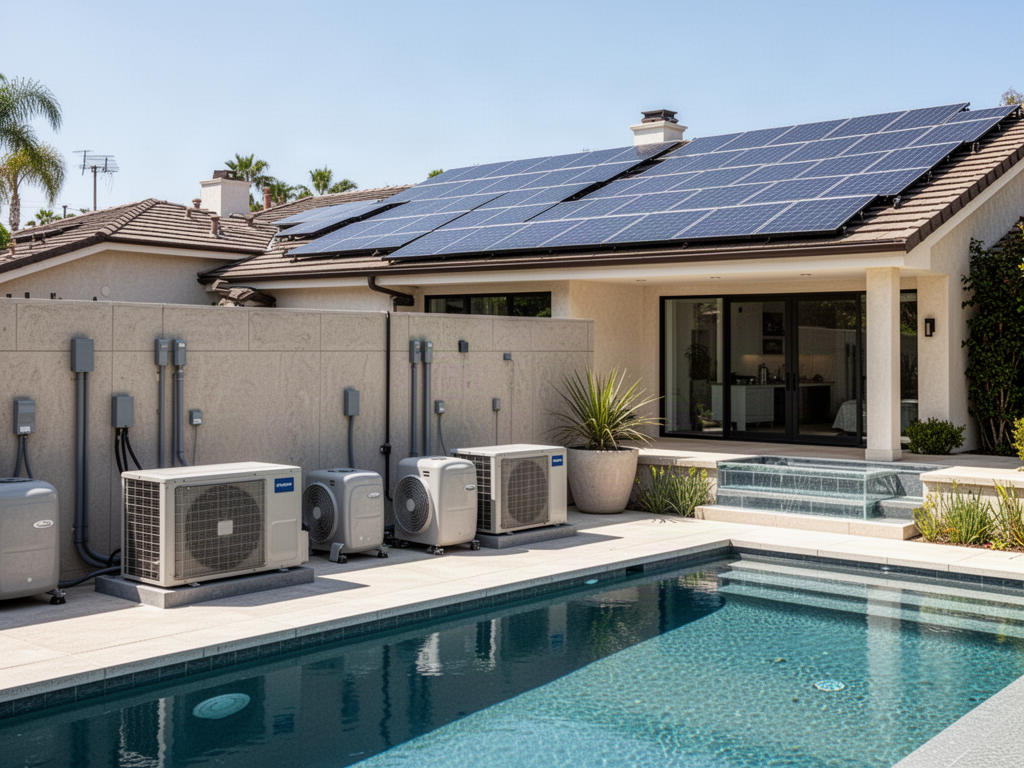
Start with a site-specific design
Corona del Mar homes can involve coastal conditions, compact premium lots and design-sensitive installations. That mix can materially affect array layout, construction scope, storage design, equipment placement and price.
A satellite proposal is a starting point, not a final design. A field assessment should verify roof condition, usable area, shade, structural considerations, electrical equipment and realistic conduit or trench routes.
Roof details matter on higher-value homes
Tile, slate, metal, low-slope and complex roof assemblies require different mounting and waterproofing approaches. Ask exactly how penetrations are flashed, what roofing work is excluded and who is responsible if a roof leak appears after installation.
If reroofing is likely within the expected life of the solar array, compare doing that work first with the future cost and warranty implications of removing and reinstalling panels.
Plan visible equipment before construction
For Corona del Mar properties, inverter, battery, disconnect and conduit placement may affect aesthetics, access, noise, code clearances or HOA review.
Ask to see those locations on the final plan. A clean roof rendering is not enough if exterior equipment placement has not been discussed.
Understand approvals and the project sequence
Typical projects move from contract and site verification to final design, local permits, installation, inspection, utility interconnection and permission to operate. The physical installation may be brief even when the full process takes much longer.
The contract should state who manages permits, inspections and utility paperwork, and which milestone triggers each payment.
Do a handoff, not just an activation
Before the project is considered complete, save the permit set, equipment model and serial information, monitoring access, warranties, service contacts and utility approval.
Walk through shutdown procedures, battery behavior during an outage if applicable, and how to report a production or monitoring problem.
What a media-quality homeowner review should include
For a higher-value Corona del Mar property, the useful question is not whether solar is popular; it is whether the proposed system fits the house, the ownership horizon and the household's real electricity pattern. Review the proposal as a construction and energy project, not as a retail appliance purchase.
Ask the contractor to distinguish measured facts from forecasts. Roof dimensions, equipment model numbers and contract price are facts. Future utility inflation, long-term production and projected lifetime savings are assumptions. A strong article or proposal makes that distinction obvious.
When comparing systems, look at whole-project quality: roof workmanship, equipment compatibility, electrical design, permitting responsibility, utility interconnection, monitoring, service response and how the system will be handled if the home is sold or reroofed later.
For larger homes, check whether the proposal has modeled major loads individually. Multiple HVAC systems, pools, spas, EV charging, guest houses, gates and landscape equipment can change both solar sizing and backup strategy. A system sized from a single recent bill can miss those patterns.
Document aesthetic requirements before final design approval. Premium homes often involve roof visibility, array symmetry, conduit routing, equipment screening and HOA or architectural-review concerns. Those expectations should be written into the design conversation, not raised after installation begins.
Finally, stress-test the economics. Compare the contractor's primary savings case with a lower-production case and a case with different future utility assumptions. If the project still makes sense under a more conservative scenario, the decision is less dependent on optimistic forecasting.
Questions worth asking
- Who is responsible for roof penetrations and leak coverage?
- Where will batteries, inverters and conduit be located?
- Who handles permits, inspection and utility interconnection?
- What must be complete before final payment?
Related guides
How to compare two solar quotesIs solar worth it for my home?Compare solar financing optionsSources and further reading
U.S. Department of Energy — Homeowner's Guide to Going SolarCalifornia Public Utilities Commission — Solar Consumer Protection GuideExplore more for your home
Home Solar Simplified
Explore solar education, battery planning and home energy tools to prepare for your next decision.
Explore Home Solar SimplifiedConnectPoint ISP
Visit ConnectPoint ISP to explore home internet options and ask about service availability at your address.
Visit ConnectPoint ISP