LADWP Solar Programs: Where to Start
Choose among customer-owned rooftop solar, LADWP Solar Rooftops, Shared Solar and income-qualified assistance by checking ownership, billing and eligibility before comparing offers.
Published by Home Solar Simplified · Editorial standards
https://homesolarsimplified.org/solar-guides/ladwp-solar-programs
Published by Home Solar Simplified. Includes 6 linked sources. Documented editorial date: .
A citation or editorial date does not guarantee a tariff, incentive or program remains unchanged today.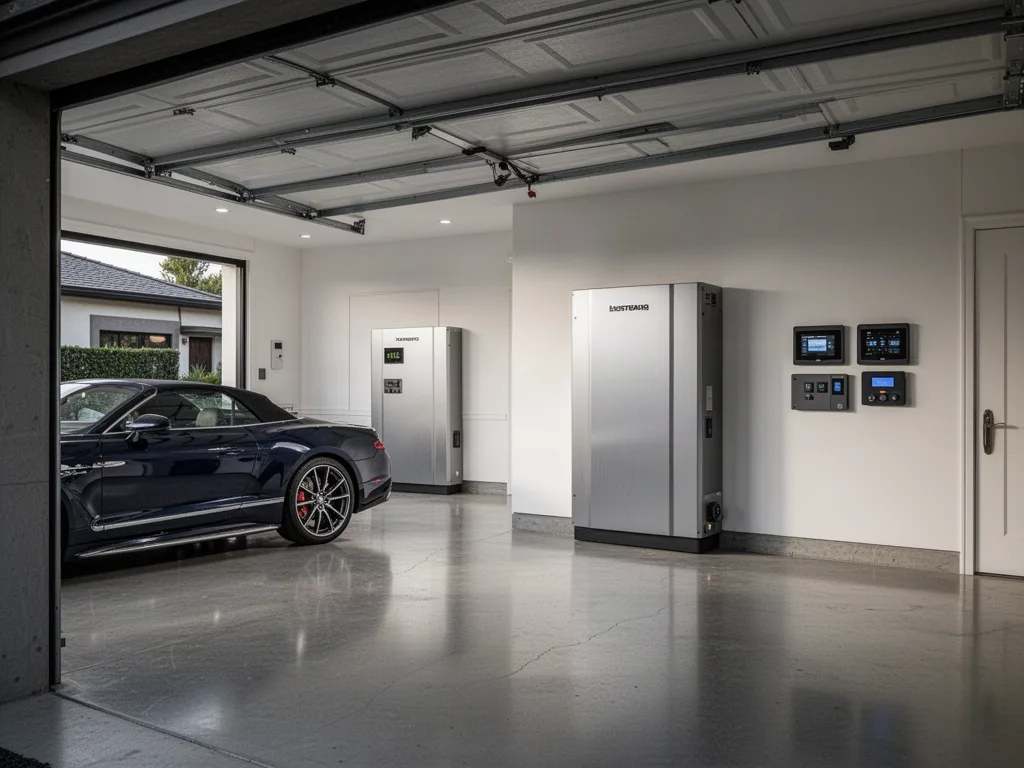
Choose the participation model before comparing prices
LADWP solar programs serve several different purposes. Some help a household install a system that supplies its own electricity. Others use a customer's roof to generate electricity for the utility, or let an apartment resident subscribe to a portion of solar energy without installing equipment. Calling all of these arrangements 'going solar' hides the differences that determine costs, rights and benefits. Begin by deciding whether your priority is reducing purchased electricity, using an otherwise suitable roof, participating as a renter, or seeking assistance with an eligible installation.
Your electricity bill is the first document to collect. Confirm LADWP supplies the electric service at the proposed installation address, identify the rate schedule and account holder, and distinguish the electric charges from water and other services. A Los Angeles mailing address alone is not enough to choose a utility program. If several meters serve the property, identify which meter supplies the home and which one the proposed equipment would connect to. A solar estimate attached to the wrong account is not a useful estimate.
Customer-owned solar follows the interconnection and NEM path
For a private rooftop project, the important utility process is interconnection: permission to connect generation and, where applicable, battery equipment to LADWP's system. LADWP maintains an interconnection program for net energy metering, battery storage and cogeneration. The contractor's construction permit and the utility's authorization have different roles. Ask who submits each application, resolves requested corrections and supplies the final authorization before normal operation begins.
A homeowner comparing purchase, loan, lease or power-purchase proposals should request the same production and household-use assumptions for each. Identify the equipment owner, warranty claimant, party responsible for roof access and person entitled to any incentive. Financing changes how the system is paid for; it does not establish that the utility has accepted the design. Keep the utility application number with your signed contract and permit documents so that a change of installer does not leave the project without an administrative trail.
Solar Rooftops is a roof-hosting arrangement
LADWP's Solar Rooftops page describes a different model: the utility installs and owns the system, receives the generated electricity and pays the customer for use of the roof. Its published description provides annual payments of $360 to $900 depending on system size, for up to 20 years, subject to program terms. Eligibility includes owner occupancy, qualifying residential rates and LADWP's evaluation of the home. These payments should not be presented as the savings from a customer-owned NEM system.
Evaluate a roof-hosting offer as a long-term property arrangement. Ask for the agreement governing roof repairs, access, removal, sale of the home and termination before accepting. If roof replacement is likely during the agreement, find out who pays to remove and reinstall equipment and how work is scheduled. Compare the value of the proposed roof-use payments with the commitments you are making; do not add hypothetical private-solar bill savings to those payments unless the agreement actually provides both benefits.
Shared Solar can fit an eligible apartment account
LADWP describes Shared Solar as a subscription for eligible multifamily residential customers. Participants choose a monthly 50 or 100 kWh block billed at a fixed program rate, rather than buying rooftop equipment. This can be relevant to an apartment, condominium or duplex resident who cannot control the building's roof. The customer still receives electric service and must evaluate the effect on the bill; a subscription is not a personal backup system.
Before applying, compare your actual consumption with the proposed block and ask for the current enrollment terms. Find out how the fixed program rate compares with the electricity charge it replaces, whether you qualify for an address-based discounted offer and what happens if you move. There is no reason to sign a private equipment-financing contract merely to inquire about this utility subscription. A resident whose electricity is included in rent should first establish whether they have the individual LADWP account that enrollment requires.
Treat income-qualified solar and storage support as a separate application
LADWP's Self-Generation Incentive Program page describes income-qualified solar and battery assistance with separate single-family and multifamily requirements. Its March 2026 update says projects may need additional cost verification and that notification through the lottery process is not an automatic funding award. It also warns that a waitlist and limited funds prevent a guarantee of an incentive. These distinctions matter when a contractor describes a system as funded or free.
Ask for the eligibility determination, incentive reservation conditions, eligible project budget and responsibility for any shortfall. A household should understand whether an agreement becomes binding before funding is certain. Require the contractor to identify expenses that the program will not pay and explain whether approval of one component depends on approval of another. Do not share tax or income documents with an unsolicited salesperson simply because they use a utility logo; reach the program through the official LADWP page and verify the application channel.
Read the bill rules before deciding that storage is necessary
LADWP's NEM rider values eligible excess energy using the applicable rate schedule's energy pricing. It provides for credit carryforward with limitations, including taxes and minimum charges, and says a remaining balance is eliminated when service ends. Those rules differ from a simple cash purchase of all excess generation. Do not substitute an SCE Solar Billing Plan calculation for a LADWP account just because both properties are in Southern California.
A battery proposal needs its own comparison. Ask what the solar-only bill would be, what storage changes and which loads would operate during an outage. A backup reserve may reduce the energy available for routine bill management. Compare installed battery cost, expected operating losses, warranty conditions and your own resilience priorities. The presence of a battery program or a popular storage brand does not by itself establish that a battery is the best next expenditure for your home.
Prepare a practical application and comparison file
Collect a year of electric bills, photographs or plans showing the proposed equipment area, roof age, major planned loads and any existing solar agreement. Record an EV purchase, heat-pump conversion, ADU or change in occupancy separately from current consumption. Ask each bidder to show current-load and future-load estimates instead of quietly incorporating an optimistic growth assumption. Roof and electrical work should have distinct prices so that a low headline solar price does not conceal required construction.
Keep the version of the official program rules used for the decision, written utility responses, submitted applications and confirmation of acceptance. Compare offers on total obligation and expected remaining utility charges, not a single advertised monthly payment. If an application is pending, request a realistic milestone schedule and a named party responsible for the next action. The best starting program is the one that matches your account and goals with terms you can explain, rather than the one with the largest promotional number.
How to verify your utility's solar rules
- Read your actual electricity bill. Identify the serving utility, rate schedule, monthly kWh usage and any time-of-use periods.
- Verify the applicable program. Use the utility's official tariff and solar interconnection materials, not a neighboring utility's rules or an installer savings headline.
- Compare a written scenario. Request separate estimates for solar self-consumption, exports, grid purchases, fixed charges and any battery behavior. Recheck program dates and eligibility before signing.
For further independent technical context: U.S. Department of Energy — Homeowner's Guide to Going Solar. This is an educational reference, not an installer recommendation.
Frequently asked questions
Does LADWP Solar Rooftops give me the same benefit as owning solar?
No. The published Solar Rooftops structure gives LADWP ownership of the equipment and the generated energy, while the resident receives roof-use payments under the agreement. A private solar installation has a different ownership, maintenance and utility-billing analysis. Compare the actual contracts and do not combine benefits from these separate models.
Can I assume a submitted SGIP application will pay for the project?
A submission is not a funding award. Before relying on assistance, obtain the written status, remaining conditions and explanation of who pays if the award is reduced or unavailable. Review any financing or installation agreement for obligations that start before funding. A contractor's estimate should distinguish requested assistance from confirmed assistance.
What should I do if I only want help with today's electric bill?
Start with the utility's bill-assistance and energy-efficiency channels and explain your immediate need. A long-term solar contract does not resolve a past-due balance automatically. Ask about relevant account assistance separately while you evaluate whether solar, a subscription or an efficiency improvement fits your longer-term situation.
Questions worth asking
- Which program is this, and who owns the equipment and electricity?
- Which LADWP meter and rate schedule are used in the bill estimate?
- What written funding decision exists and what remains conditional?
- Who handles permits, interconnection and authorization to operate?
- What happens if I sell, move, replace the roof or leave the program?
Related guides
Check electric-bill help before paying for a new solar systemVerify LADWP solar and battery assistance eligibility and fundingExplore LADWP shared solar for apartment residentsUnderstand battery capacity, output and backup runtimeMore specialized guides
LADWP NEM and battery interconnection educationCompare Pasadena's solar and battery educationSolar planning in Los Angeles County
Electric utility rules, roof conditions and household electricity use vary by address. Explore regional guidance before relying on a statewide solar savings estimate.
Los Angeles County solar education San Fernando Valley: LADWP, panels and batteries Compare official Valley utility rules before relying on solar savings Northridge solar planning Van Nuys solar quotes and utility questions Pacoima solar financing and contract checklistStill researching solar?
Search homeowner guides by topic, electric utility, or location.
Sources and further reading
Updated: October 2026. Confirm changing details with the official sources.
These links identify documents and resources used for this guide. Listing a source does not mean it was independently checked today. Utility rates, incentives, product specifications and program availability may change; confirm the latest version and effective date with the source.
LADWP — Solar ProgramsLADWP — Solar Rooftops: ownership, payments and eligibilityLADWP — Shared SolarLADWP — SGIP: eligibility, cost verification and funding limitationsLADWP — NEM rate riderLADWP — Interconnection programStart with a home energy checkup
Organize your usage, home details and goals before comparing proposals.
Try the home energy checkupReady to compare companies?
Explore provider options when you are ready to request quotes.
Explore provider options