LADWP SGIP Solar and Battery Help: Waitlist, Eligibility and Costs
LADWP’s income-qualified solar-and-battery SGIP pathway is waitlisted with limited funding. Verify eligibility, application status and cost review before signing.
Published by Home Solar Simplified · Editorial standards
https://homesolarsimplified.org/solar-guides/ladwp-sgip-solar-battery
Published by Home Solar Simplified. Includes 9 linked sources. Documented editorial date: .
A citation or editorial date does not guarantee a tariff, incentive or program remains unchanged today.
As of October 24, 2026, LADWP says its income-qualified Residential Solar and Storage Equity budget has a long waitlist and limited funding. A submitted application, lottery notice or waitlist position is not a funding award.
Verify the household-income pathway, current portal status, equipment, cost-review requirements and contract contingencies directly with LADWP and the statewide SGIP resources. Budget from the full installed price until the administrator confirms a reservation and its conditions in writing.
Quick answer: the LADWP RSSE budget is waitlisted
As of October 24, 2026, LADWP says its Self-Generation Incentive Program Residential Solar and Storage Equity budget has a long waitlist and limited funding. LADWP cannot guarantee that a waitlisted customer will receive an incentive, and a lottery notice is not an award. Check the LADWP program page and the statewide SGIP budget tracker again before relying on funding.
This pathway is for paired solar and battery storage at income-qualified residential property. A single-family LADWP household must document total household income at or below 80% of Area Median Income using the most recent available federal tax records. Multifamily property has different requirements. Meeting an eligibility rule does not create a reservation, approval or payment.
Know the published incentive calculation—but budget without it
The CPUC publishes maximum RSSE incentive calculations of up to $1,100 per kWh of storage and $3,100 per kW of solar. Those rates are inputs to the program calculation, not a guaranteed check or permission for an installer to price a project to the maximum. Final payment depends on funding, eligibility, approved capacity, eligible cost, completed program steps and cost verification.
Build the household budget from the full installed cash price with no incentive. Then show a second scenario only after LADWP confirms the application status and applicable calculation in writing. For a 2026 homeowner project, do not subtract the former federal Residential Clean Energy Credit: the IRS says the credit is unavailable for expenditures made after December 31, 2025.
Check eligibility and project fit separately
For the single-family pathway, LADWP currently lists total household income at or below 80% of Area Median Income and asks for the most recent available federal income tax documentation. The actual dollar limit changes with household size and the applicable AMI schedule. Ask LADWP which household members, income year and documents apply. Multifamily applicants must follow the separate deed-restricted housing and location or tenant-income tests.
The RSSE pathway is for solar paired with storage; it is not a solar-only rebate. An existing solar home may be able to pair a new battery under current rules, but the program administrator must confirm the proposed equipment, sizing and configuration. Separately test whether the battery's usable kWh, continuous kW, transfer equipment and backed-up circuits match the household's outage goal.
A waitlist, reservation and payment are different stages
Keep four statuses separate: a submitted application, a lottery or waitlist notice, a reservation or approval with conditions, and an issued incentive payment. LADWP expressly says lottery notifications did not automatically award funding. The statewide handbook and portal govern document milestones, deadlines and claim requirements.
LADWP says the Incentive Claim Form comes after the system is installed, inspected and operating. That timing can expose a homeowner if the contract or loan assumes certain reimbursement. Ask who advances project costs, who receives any incentive, which conditions must be satisfied before work begins, and what the customer owes if funding never becomes available.
Cost verification can change or cancel a project
In March 2026, LADWP announced additional documentation and review for projects meeting the CPUC's cost-verification criteria. LADWP says unusually high-cost applications may require modification or cancellation. A May 8, 2026 CPUC ruling directed administrators to resume payment for completed RSSE projects only after an approved claim and specified project-cost documentation.
Require an itemized solar price, battery price, electrical work, permits, interconnection, warranty or maintenance costs, financing charges and excluded work. If a proposal changes, obtain a revised contract before authorizing work. Ask in writing whether the installation and financing agreements can be canceled if a reservation is denied, a cost is rejected or the award is smaller than projected.
Use the official portal and keep a milestone file
Start at LADWP's SGIP page, then use the official SelfGenCA portal. LADWP currently identifies typical starting documents such as the application fee, equipment specifications, a recent LADWP electric bill, purchase and installation information, and proof of low-income eligibility. Use the current 2026 SGIP Handbook and portal instructions rather than an installer checklist from an older program year.
Save every submission receipt, status notice, reservation document, deadline, equipment revision, permit, interconnection record, inspection, invoice, proof of payment and Incentive Claim Form. Confirm whether the person submitting the application is the homeowner, contractor or another approved developer, and make sure the homeowner can access the records if that company stops responding.
Run a no-award contract check before signing
Verify the contractor and salesperson with CSLB, then compare the full cash price with the financed principal, APR, fees, payment schedule and total of payments. Do not sign because a monthly payment appears to assume an incentive. Any contingency for unavailable funding, failed eligibility, cost-review changes or delayed payment should be written into both the installation and financing documents.
Before moving forward, obtain written answers to three separate questions: Does the household qualify? Is money actually reserved for this project? Does the proposed solar-and-battery design meet the home's energy and backup needs at an acceptable no-award cost? Home Solar Simplified provides education; LADWP and the SGIP administrator decide eligibility, reservation status and payment.
Plan for a delayed project without losing track of the home
A long application period can outlast the assumptions in the original proposal. Before accepting a revised installation date, review whether the roof condition, household size, electric usage, equipment availability or contractor has changed. Ask which changes require an updated application and who submits them. Keep a dated comparison between the approved or requested equipment and any proposed substitute; a similar brand name does not establish that the new model has the same usable storage, backup power or eligible cost.
Assign a next action and responsible party to each unresolved milestone. For example, distinguish waiting for administrator review from waiting for an installer to correct an invoice. Request confirmation when corrections are actually uploaded rather than relying on a verbal statement that someone will handle them. If you decide to stop pursuing the project, ask how to close the application and any separate contractor agreement. The application and the private contract may need different actions. This organization avoids a household spending months on a waitlist while an unrelated contractual deadline passes unnoticed.
Before making another deposit, reconcile the latest contract amount with the latest equipment and application budget. Ask for an explanation of every increase and do not assume a larger requested budget means a larger available award.
Illustrated explanation
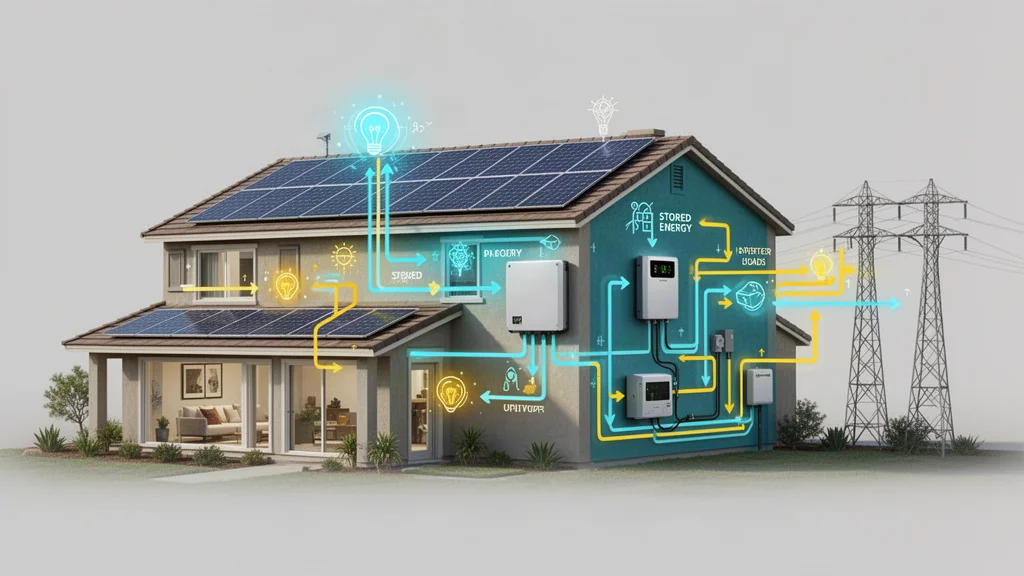
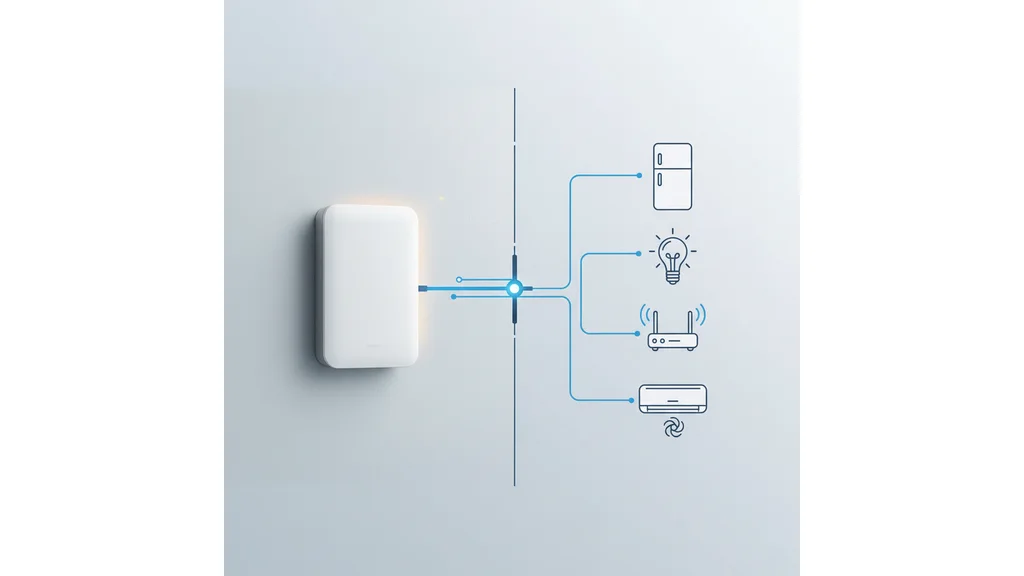
How to plan home battery storage
- List essential loads. Write down the appliances and circuits needed during an outage, including their running watts and any starting surge.
- Compare power and energy. Check continuous output in kW separately from usable stored energy in kWh. Estimate runtime using realistic consumption and conversion losses.
- Verify the operating mode. Ask whether the system can isolate from the grid, recharge from solar during an outage, and comply with the applicable utility interconnection requirements.
For further independent technical context: California Energy Commission — Energy Resources. This is an educational reference, not an installer recommendation.
Frequently asked questions
Is LADWP SGIP open for new solar-and-battery funding in 2026?
LADWP's live page says the Residential Solar and Storage Equity budget has a long waitlist and limited funding. A customer may use the portal, but a submission, lottery notice or waitlist position does not guarantee a reservation or payment.
Who qualifies for LADWP's single-family RSSE pathway?
LADWP currently requires a single-family household to document total household income at or below 80% of Area Median Income using the most recent available federal tax documentation. Household size and the applicable AMI schedule affect the dollar limit.
How much can the LADWP solar-and-battery incentive be?
The CPUC publishes maximum RSSE calculation rates of up to $1,100 per kWh of storage and $3,100 per kW of solar. Final eligibility, qualifying size, eligible project cost, available funding and payment are determined through the program process.
Does a LADWP SGIP lottery notice mean funding was awarded?
No. LADWP states that applicants notified through its lottery process were not automatically awarded funding. Ask for the project's exact portal status and any written reservation conditions.
When is the LADWP SGIP incentive paid?
LADWP says an Incentive Claim Form may be filed after the project is installed, inspected and operational. Cost documentation and other conditions still apply, so the contract should say who carries costs and what happens if payment is delayed or denied.
Can a 2026 homeowner also claim the federal 30% solar tax credit?
The IRS says the Residential Clean Energy Credit is unavailable for expenditures made after December 31, 2025. A 2026 proposal should not automatically subtract that former homeowner credit; individual tax questions belong with a qualified tax professional.
Check eligibility and take the next step
These links open the official program or its application service.
Open the official SGIP portal or check application status Check LADWP eligibility, waitlist and current instructions Review current statewide SGIP budget metricsQuestions worth asking
- Which income limit, household size and tax year apply to me?
- Is my project only submitted, waitlisted, reserved or approved for payment?
- Which solar, battery and project costs will the administrator accept?
- Who advances costs and receives the incentive payment?
- Can both contracts be canceled if funding is unavailable?
- Which circuits and loads will the battery actually support?
Related guides
Find assistance based on your utilitySize storage from critical loads and outage runtimeCompare financing without an assumed awardInvestigate an unusually high LADWP billSee all solar rebates and assistance optionsPlan the actual circuits and loads to back upCompare cash price with total financed costVerify the contractor and salespersonReview contract protections before signingSolar planning in Los Angeles County
Electric utility rules, roof conditions and household electricity use vary by address. Explore regional guidance before relying on a statewide solar savings estimate.
Los Angeles County solar education San Fernando Valley: LADWP, panels and batteries Compare official Valley utility rules before relying on solar savings Northridge solar planning Van Nuys solar quotes and utility questions Pacoima solar financing and contract checklist Sylmar roof and battery backup planningStill researching solar?
Search homeowner guides by topic, electric utility, or location.
Sources and further reading
Updated: October 2026. Confirm changing details with the official sources.
These links identify documents and resources used for this guide. Listing a source does not mean it was independently checked today. Utility rates, incentives, product specifications and program availability may change; confirm the latest version and effective date with the source.
LADWP — SGIP eligibility, waitlist and application processLADWP — SGIP frequently asked questionsCPUC — Self-Generation Incentive Program and RSSECPUC — Residential Solar and Storage Equity fact sheetSelfGenCA — 2026 SGIP Handbook and formsSelfGenCA — Current SGIP budgets and program metricsCPUC — May 8, 2026 RSSE payment and cost-verification rulingIRS — Residential Clean Energy CreditCalifornia Contractors State License Board — Solar SmartStart with a home energy checkup
Organize your usage, home details and goals before comparing proposals.
Try the home energy checkupReady to compare companies?
Explore provider options when you are ready to request quotes.
Explore provider options