SCE SGIP Solar and Battery Assistance: 2026 Waitlist Guide
As of October 25, 2026, SCE says its state-funded Residential Solar and Storage Equity budget is exhausted and on a waitlist. Check the exact budget, eligibility and written reservation status before counting an incentive.
Published by Home Solar Simplified · Editorial standards
https://homesolarsimplified.org/solar-guides/sce-sgip-solar-battery
Published by Home Solar Simplified. Includes 7 linked sources. Documented editorial date: .
A citation or editorial date does not guarantee a tariff, incentive or program remains unchanged today.
Quick answer: SCE reports the state-funded RSSE budget exhausted and waitlisted
As of this guide's October 25, 2026 review, Southern California Edison says the state-funded Self-Generation Incentive Program Residential Solar and Storage Equity budget is exhausted and currently on a waitlist. A waitlist acknowledgment is not a reservation, approval or payment commitment. Recheck SCE's live page and the statewide SGIP program metrics before signing or paying.
That status applies to SCE's named RSSE budget; it does not prove that every SGIP category is open or closed. Ask the installer or developer to identify the exact administrator, budget name and application status in writing. Compare the project without the incentive unless a valid reservation and its remaining conditions are documented.
RSSE is for paired solar and energy storage at qualifying homes
The CPUC describes RSSE as assistance for low-income residential customers installing paired solar and energy storage. It is not a general rebate for an ordinary solar-only project, a replacement battery or every SCE customer. SCE is the program administrator for customers in its territory, while the statewide rules, approved-developer list and program documents are published through CPUC and SGIP.
The CPUC currently publishes maximum incentive rates of $1,100 per kilowatt-hour for storage and $3,100 per kilowatt for solar. Those rates are program inputs, not a guaranteed check or permission for a seller to subtract a rounded amount from your contract. The eligible project cost, sizing rules, budget availability, application review and final claim all matter.
Screen the household and property before treating the program as an option
Use SCE's current eligibility matrix rather than a salesperson's generic phrase such as “income-qualified.” One published single-family path is household income at or below 80 percent of area median income; the program also lists other qualifying pathways and property types. The exact applicant, electric account, service territory, residence, prior-program participation and supporting records must match the current rule.
Ask the developer which eligibility row it is relying on and which documents prove it. An income estimate, CARE enrollment, medical condition, wildfire exposure or disadvantaged-community address should not be treated as interchangeable unless the current matrix and administrator say that fact qualifies the project for the named budget.
Track each application stage separately
SGIP materials separate the Reservation Request Form, Proof of Project Milestone and Incentive Claim Form stages. Before contracting, ask which form has actually been submitted, the date and status shown in the portal, whether a reservation amount exists, the deadline for the next milestone and who receives the incentive. Keep copies of administrator notices rather than relying on a dashboard screenshot supplied by a salesperson.
A project can pass an eligibility screen but remain waitlisted because its budget lacks available funds. A reservation can also carry equipment, contractor, sizing, inspection, documentation and deadline conditions. Final payment comes after the claim is reviewed; an application number by itself does not establish that money has been set aside.
Use an approved developer list as a starting point, not an endorsement
The CPUC points customers to the Approved SGIP Developer List but says it does not endorse or recommend those companies. Confirm the contractor's CSLB license, classification, personnel, bond and complaint information independently. Ask who will be the SGIP applicant, system owner and incentive recipient, and whether a subcontractor will perform the installation.
Get the entire installed scope in writing: panel and battery models, quantities, usable capacity, power limits, backed-up circuits, gateway or transfer equipment, electrical and roof work, permits, interconnection, monitoring, warranties and any demand-response or operating obligations. Program participation does not replace contractor due diligence.
Build a quote that still makes sense if the waitlist does not move
Request two written price views: the full cash price with no incentive and a conditional view showing only an administrator-reserved amount. For financing, compare the amount financed, dealer fees, interest rate, term, payment schedule and any expected lump-sum incentive payment. The contract should say what changes if the incentive is delayed, reduced or denied.
For a new 2026 homeowner project, do not fill the gap with an assumed 30% federal Residential Clean Energy Credit. Current IRS guidance says that homeowner credit is unavailable for property placed in service after December 31, 2025. Tax rules for a business or third-party owner can differ; they are not automatically the homeowner's benefit.
Size backup around loads and outage goals, not the advertised award
An incentive rate should not choose the battery for you. List essential circuits and their wattage, large motor startup needs, desired reserve percentage and the hours or days you want to cover. Ask for a written load calculation and modeled outage runtime at more than one weather and solar-production condition.
Confirm whether the proposed battery can start the air conditioner, well pump or other priority load; whether solar can recharge it during a grid outage; and what happens after the warranty capacity declines. Preserve a practical reserve rather than assuming every kilowatt-hour on a product label is available for household backup.
Use a five-document checkpoint before moving forward
Do not sign based on “you qualify.” First collect five items: the current SCE budget-status page, the eligibility-matrix row that applies, the SGIP portal notice showing the actual stage, the full installed cash-price contract and the financing disclosure without an unapproved incentive. If one item is missing, pause the purchase decision.
Recheck the official pages immediately before signing because budgets and handbook rules can change after this review date. Send program questions to the contact listed for SCE on the SGIP portal, and send license questions to CSLB. Home Solar Simplified provides education; only the program administrator can determine eligibility, reservation and payment.
Review the effect of equipment changes during the wait
If the proposed battery is unavailable when the project can proceed, ask for a written comparison before approving a substitute. Identify usable energy, continuous output, outage configuration, communications requirements and the revised installed price. Ask the SGIP administrator whether the change requires an amendment and whether any prior determination remains applicable. Installer convenience should not replace the household's backup requirements or the administrator's review.
Also verify that responsibility remains clear if the developer, installer or financing provider changes. Save the names associated with the portal application, installation agreement and incentive recipient, and ask who can respond to a request for additional documents. Keep old and revised versions rather than overwriting the original quote. A project can be administratively delayed even after the household has supplied everything if another party has not completed its task. A dated record makes it possible to identify that missing step without signing a duplicate application or financing a different system prematurely.
Before approving an amendment, ask whether it changes private payment deadlines as well as the program application. Keep those two schedules visible together.
Illustrated explanation
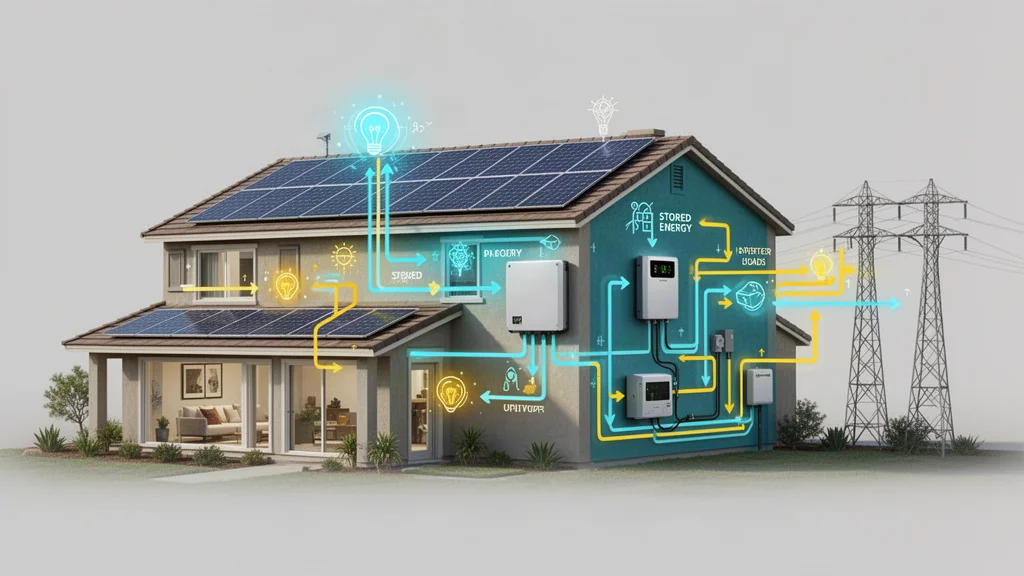
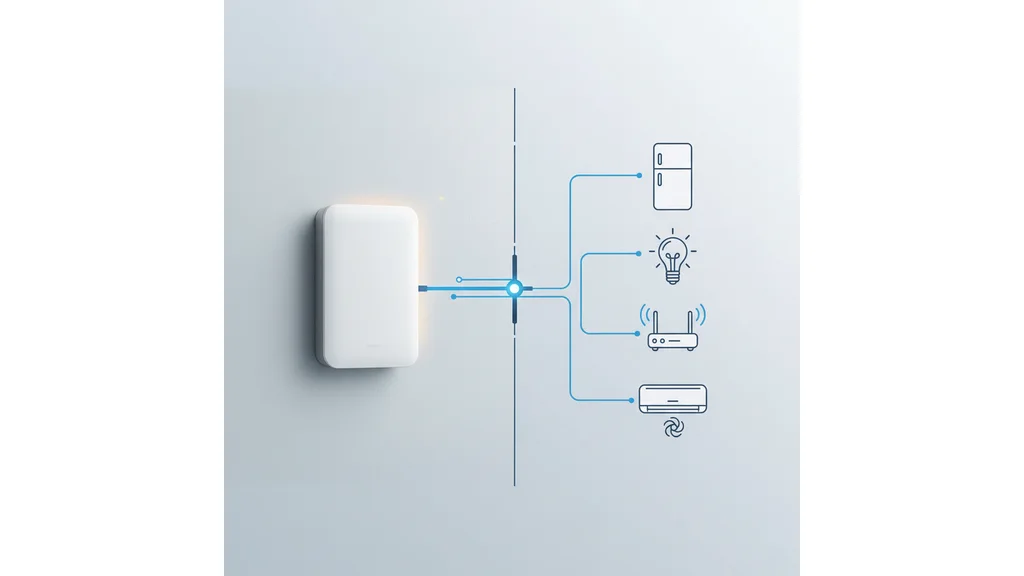
How to plan home battery storage
- List essential loads. Write down the appliances and circuits needed during an outage, including their running watts and any starting surge.
- Compare power and energy. Check continuous output in kW separately from usable stored energy in kWh. Estimate runtime using realistic consumption and conversion losses.
- Verify the operating mode. Ask whether the system can isolate from the grid, recharge from solar during an outage, and comply with the applicable utility interconnection requirements.
For further independent technical context: California Energy Commission — Energy Resources. This is an educational reference, not an installer recommendation.
Frequently asked questions
Is SCE's Residential Solar and Storage Equity budget open in October 2026?
SCE's live page said on October 25, 2026 that the state-funded RSSE budget was exhausted and currently on a waitlist. Recheck SCE and the SGIP program metrics because budget status can change.
Does an SCE SGIP waitlist notice mean funding is reserved?
No. A waitlist acknowledgment is not a reservation or payment commitment. Ask for the exact portal stage, reserved amount if any, remaining milestones, deadlines and final-claim conditions.
Can RSSE pay for a battery without solar?
The CPUC describes RSSE as an incentive for paired solar and energy storage at qualifying low-income residential properties. Do not assume a storage-only or solar-only project qualifies under this budget.
Who can qualify for SCE RSSE assistance?
Eligibility depends on the current SCE matrix and SGIP rules. One published single-family pathway uses household income at or below 80% of area median income, while other listed pathways and property types have their own evidence requirements.
Is a company on the Approved SGIP Developer List endorsed by the CPUC?
No. The CPUC says it does not endorse or recommend listed installers. Verify the contractor's CSLB license and compare the contract, equipment, warranties, price and financing independently.
Should an installer subtract a waitlisted incentive from my loan amount?
Treat that amount as unavailable unless the administrator has issued a valid reservation and the contract explains every remaining condition. Compare the full cash price and financing without the incentive, including what you owe if payment is delayed or denied.
Check eligibility and take the next step
These links open the official program or its application service.
Check SCE's live RSSE waitlist status and eligibility matrix Open the official SGIP portal, handbook and developer directory Review current SGIP budget metrics by administrator Verify the contractor's CSLB license and recordQuestions worth asking
- Which SGIP budget fits my household and project?
- Is that specific budget open, exhausted or waitlisted?
- What written approval would establish a funding reservation?
- Could I afford this proposal without the anticipated assistance?
Related guides
Explore the separate DAC-SASH solar pathwayCompare California incentives and current availabilityPrice a Southern California solar-plus-battery projectCompare cash, loan, lease and PPA costsUse the contract checklist before signingCompare regional solar and battery assistance pathsLearn how solar loans and financing terms workSolar planning in Los Angeles County
Electric utility rules, roof conditions and household electricity use vary by address. Explore regional guidance before relying on a statewide solar savings estimate.
Los Angeles County solar education San Fernando Valley: LADWP, panels and batteries Compare official Valley utility rules before relying on solar savings Northridge solar planning Van Nuys solar quotes and utility questions Sylmar roof and battery backup planningStill researching solar?
Search homeowner guides by topic, electric utility, or location.
Sources and further reading
Updated: October 2026. Confirm changing details with the official sources.
These links identify documents and resources used for this guide. Listing a source does not mean it was independently checked today. Utility rates, incentives, product specifications and program availability may change; confirm the latest version and effective date with the source.
SCE — live SGIP budget status and eligibility matrixCPUC — Self-Generation Incentive Program and current RSSE overviewCPUC — low-income solar and paired-storage pathwaysSGIP — 2026 handbook, application forms and eligibility documentsSGIP — current program metrics and budget statusCSLB — Check a California contractor licenseIRS — Residential Clean Energy Credit placed-in-service deadlineStart with a home energy checkup
Organize your usage, home details and goals before comparing proposals.
Try the home energy checkupReady to compare companies?
Explore provider options when you are ready to request quotes.
Explore provider options