FranklinWH aPower 2: 15 kWh Home Battery for High-Power Backup
A detailed homeowner guide to FranklinWH aPower 2, including 15 kWh capacity, 10 kW continuous output and whole-home backup considerations.
Program information checked October 5, 2026. Confirm current availability with the administrator.
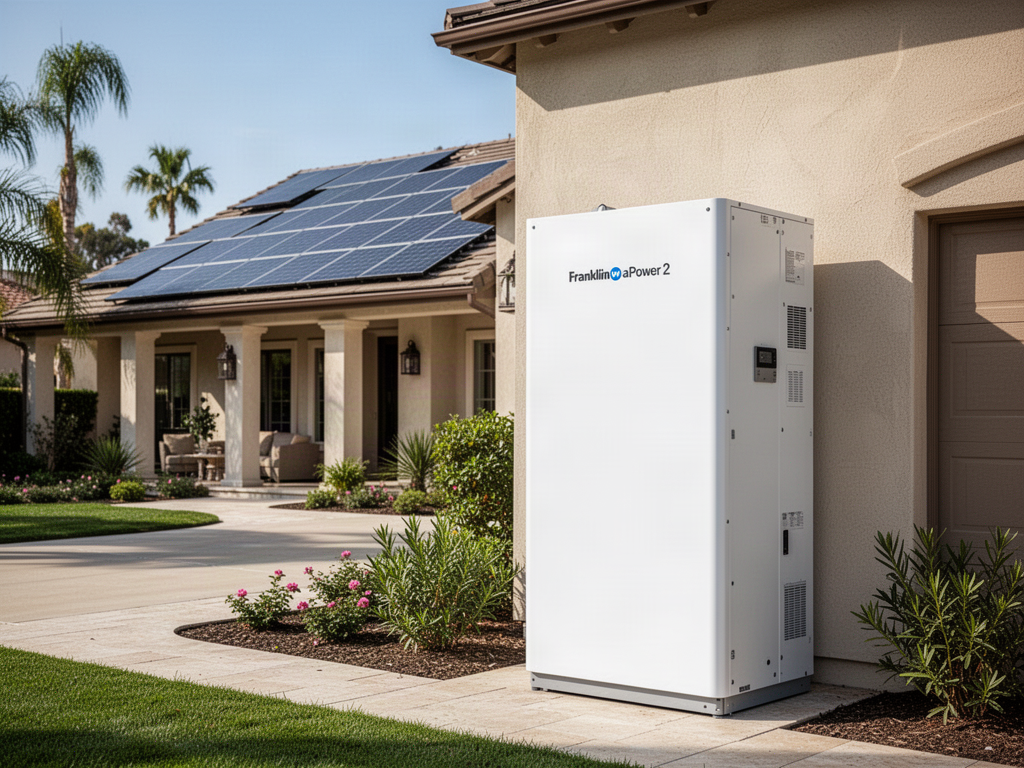
Large capacity and high output in one unit
FranklinWH lists 15 kWh of usable system energy for aPower 2, 10 kW continuous discharge power and 15 kW peak output for 10 seconds. The company uses lithium iron phosphate chemistry and lists a 15-year warranty subject to its terms.
For homeowners comparing battery systems for larger loads, that combination of energy and power is central to the product's appeal.
Why AC coupling matters
aPower 2 is AC-coupled, which can make it flexible for homes with existing solar inverter systems. FranklinWH positions it for both new solar projects and retrofits.
The tradeoff is that AC-coupled systems involve conversion between AC and DC during storage. Compare the complete installed architecture, not just a round-trip efficiency percentage.
Large loads and whole-home claims
FranklinWH markets aPower 2 for demanding home loads, including air conditioning. Whether one unit can actually support your home's largest loads depends on starting current, simultaneous usage and how the backup panel or load management is configured.
Ask the installer to model your exact HVAC, well, pool and EV equipment rather than relying on a generic whole-home label.
Scaling for estate-sized homes
FranklinWH allows multiple aPower 2 units on an aGate. That can increase both total storage and backup capability substantially.
For high-consumption Southern California homes, compare a smaller number of higher-capacity batteries with a larger number of modular batteries. Space, cost and serviceability can all matter.
Installation details to verify
Confirm wall or floor mounting, clearances, environmental exposure, backup panel design, generator interaction if relevant and communications setup. A premium battery installation should be planned as carefully as the solar array itself.
Questions worth asking
- Can one aPower 2 start my largest HVAC compressor?
- How many kWh will remain reserved for outages?
- Can it retrofit with my existing solar inverter?
- What equipment besides the battery is included in the quote?
Sources and further reading
FranklinWH — aPower 2 data sheetU.S. Department of Energy — Homeowner's Guide to Going SolarCalifornia Public Utilities Commission — Solar Consumer Protection GuideExplore more for your home
Home Solar Simplified
Explore solar education, battery planning and home energy tools to prepare for your next decision.
Explore Home Solar SimplifiedConnectPoint ISP
Visit ConnectPoint ISP to explore home internet options and ask about service availability at your address.
Visit ConnectPoint ISP