Enphase IQ Battery 5P: Modular Backup for Solar Homes
One Enphase 5P stores 5 kWh. Adding more units changes both backup power and the price. Find out how many your essential loads might actually require.
Published by Home Solar Simplified · Editorial standards
https://homesolarsimplified.org/solar-guides/enphase-iq-battery-5p-homeowner-guide
Published by Home Solar Simplified. Includes 10 linked sources. Documented editorial date: .
A citation or editorial date does not guarantee a tariff, incentive or program remains unchanged today.
Quick answer: IQ Battery 5P may fit a modular Enphase design.
One IQ Battery 5P provides 5.0 kWh of energy and Enphase lists 3.84 kW of continuous power at 240 V. Its modular architecture may fit homeowners who want incremental storage or already use compatible Enphase equipment, but it does not guarantee whole-home backup. The installed design, protected loads, starting currents, service voltage, reserve, solar recharge, controller and commissioning determine what actually runs.
Before comparing price, require an essential-load calculation, outage-runtime goal, single-line diagram, exact model schedule, compatibility statement, permitting scope and service plan. Treat a fixed whole-home runtime claim as unverified unless the proposal identifies loads and assumptions.
Energy, continuous power and peak power answer different questions
Kilowatt-hours describe stored energy; kilowatts describe real-power delivery. Enphase's U.S. product page lists 3.84 kW continuous power, 7.68 kW peak for three seconds and 6.14 kW peak for ten seconds. Peak figures can help evaluate short startup events, but they do not replace a calculation for HVAC, pumps or other motors at the home's actual voltage and simultaneous load.
A simple capacity division is only a screen: 5.0 kWh divided by a constant 1 kW load equals five hours before reserve, conversion losses and changing consumption. Ask for an overnight essential-load model, low-solar scenario and outage that begins below full charge.
Service voltage and system limits must be explicit
The North American data sheet distinguishes ratings at 240 V and 208 V; it lists 3.84 kVA at 240 V and 3.33 kVA at 208 V. Apparent power in kVA is not automatically the same as real power in kW for every load and power factor. Require the proposal to state service voltage, continuous real-power limit, peak duration and approved system-level output.
Multiple units increase nameplate energy: two provide 10 kWh and three provide 15 kWh of stated usable storage. At 240 V, two units also sum to 7.68 kVA of individual nameplate apparent power before controller and system limits. That sum is not guaranteed real kW or motor-start capability: conductors, breakers, power-control settings, temperature and the permitted configuration can impose different limits.
Compatibility is configuration-specific
AC coupling and embedded grid-forming microinverters can make the 5P a natural candidate for some Enphase solar systems, but a shared brand name is not a compatibility approval. Enphase's current compatibility matrix identifies controller, gateway or Envoy, communications kit and microinverter combinations; older M-series systems have specific requirements.
Ask whether the proposal is grid-tied only, partial backup or whole-home connection; which IQ System Controller and communications equipment are included; whether solar can recharge storage during an outage; what existing equipment remains; and how future expansion changes permits, labor and controls.
Whole-home connection is not whole-home performance
A system can connect at the main panel yet still need a backup subpanel or load controls. Air conditioning, electric heat, cooking, pool equipment, well pumps and EV charging can exceed available power if they run together. Require a circuit list, motor-start review, load-management sequence and written reserve setting.
Commissioning should include a controlled grid-loss test, transfer behavior, homeowner monitoring access and confirmation that intended solar charging works while islanded. Keep permitted plans, inspection approval, serial numbers, account credentials and the commissioning report.
Warranty length does not replace a service plan
Enphase's current U.S. limited warranty has a 15-year headline term but ends at the earlier of 15 years from activation or 6,000 discharged cycles for the IQ Battery 5P. Read the actual warranty for the quoted SKU and activation date; cycle limits, capacity terms, connectivity, exclusions, transfer, labor, shipping and removal responsibilities matter alongside the headline term.
Ask who performs remote diagnosis, who schedules local service, whether the installer or Enphase pays labor and travel, and what happens if the original installer closes. Save the applicable warranty PDF and get the service escalation path in writing.
California approval and the complete 2026 price still need verification
The California Energy Commission's Solar Equipment Lists support permitting and interconnection, but the CEC says manufacturer-submitted information is not independently confirmed and the lists create no warranty. Verify the exact battery, inverter, controller and power-control configuration with the utility and local authority having jurisdiction. The CEC's January 21, 2026 guidebook also emphasizes code and local review for behind-the-meter storage.
Compare cash prices that include batteries, controller or gateway, communications, load controls, subpanel or service work, permits, utility steps, labor, monitoring and commissioning. Keep financing separate so interest and dealer fees do not hide installed cost. Current IRS guidance says the Residential Clean Energy Credit is unavailable for property placed in service after December 31, 2025; do not subtract a presumed 30% homeowner credit from a 2026 quote.
Use a modular expansion scenario to clarify the proposal
Suppose your first priority is keeping selected household circuits operating, while a later renovation may add electric appliances. Ask the installer to describe the initial IQ Battery 5P design and a possible future expansion without promising that expansion is automatically available. The written answer should identify which controller, communications and electrical provisions are included now, which would be added later and what compatibility checks would be repeated. This is a planning example, not a statement that every existing Enphase system supports the same upgrade.
Request separate explanations of stored energy and simultaneous load capability for each proposed configuration. If you add modules later, ask whether the expected benefit is longer runtime, more available output, or both within the supported design. Have the installer assess actual large-load starting needs rather than relying on an appliance's ordinary running watts. The family should also know which discretionary loads to postpone when backup energy is limited. None of these questions requires the homeowner to open equipment or test wiring.
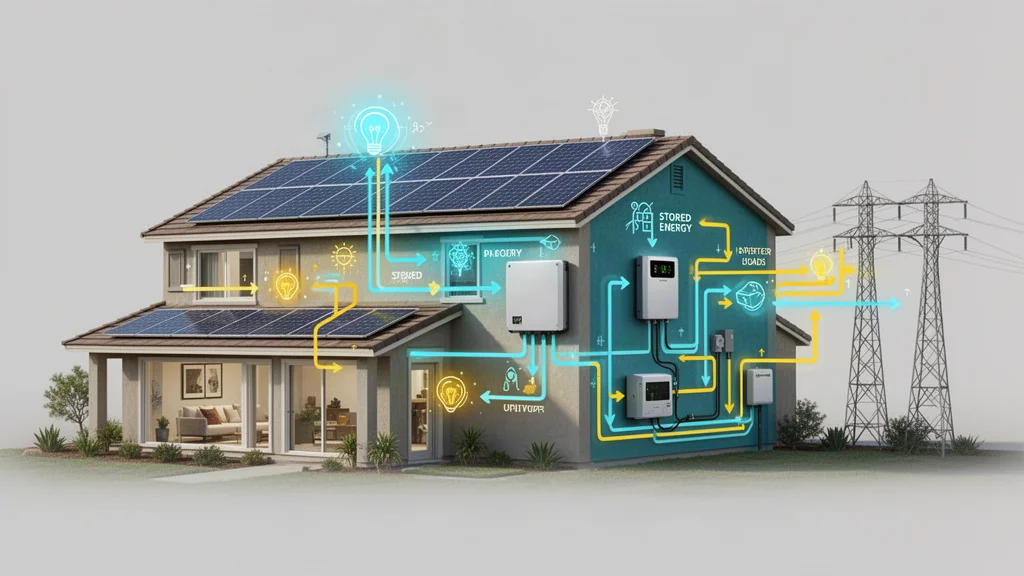
At commissioning, review the app using your installed configuration. Ask which solar, consumption and battery measurements are available, what the latest reporting timestamp means and where battery-specific alerts appear. Save a baseline equipment list and record any separate installer access permission. Have the installer explain the operating reserve, relevant communications requirements and how to request support for a unit that stops reporting. If the proposal assumes later equipment, label that assumption distinctly from the work being delivered today. A useful handover leaves the household able to describe its system accurately, prioritize loads and contact the right service party without treating a marketing illustration as an as-built diagram.
For staged installations, save the first commissioning date and the documentation for each later addition. Ask the service provider how individual units will be identified in a claim. Keeping those records separate helps future support distinguish the original purchase from subsequent work without assuming that all equipment shares one coverage start date.
Illustrated explanation
How to plan home battery storage
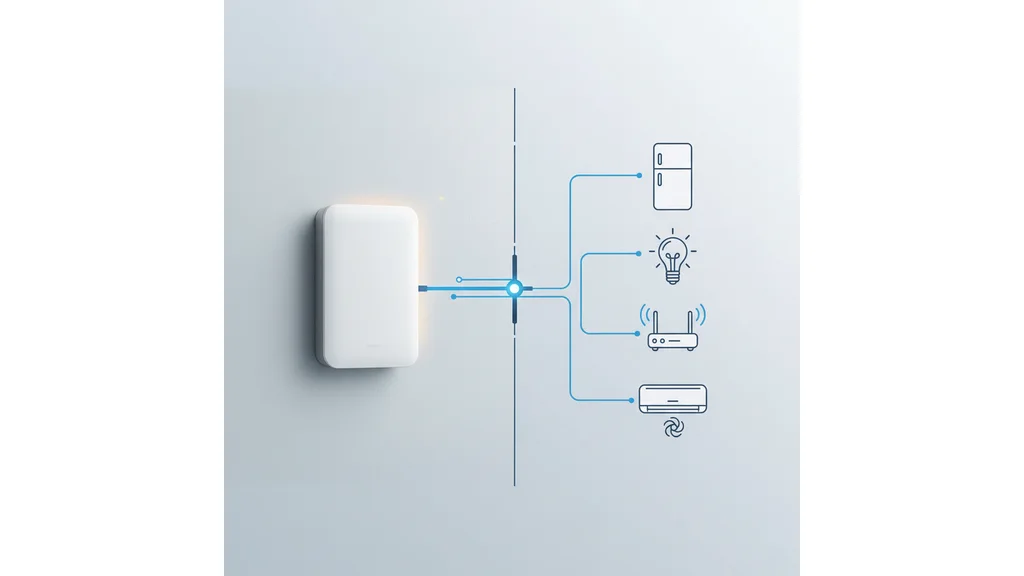
- List essential loads. Write down the appliances and circuits needed during an outage, including their running watts and any starting surge.
- Compare power and energy. Check continuous output in kW separately from usable stored energy in kWh. Estimate runtime using realistic consumption and conversion losses.
- Verify the operating mode. Ask whether the system can isolate from the grid, recharge from solar during an outage, and comply with the applicable utility interconnection requirements.
For further independent technical context: California Energy Commission — Energy Resources. This is an educational reference, not an installer recommendation.
Frequently asked questions
How much energy and power does one IQ Battery 5P provide?
Enphase lists 5.0 kWh of energy, 3.84 kW continuous power at 240 V, 7.68 kW peak for three seconds and 6.14 kW peak for ten seconds. The permitted system design determines what reaches household loads.
Can one IQ Battery 5P provide whole-home backup?
It may support a small essential-load plan, but the product does not guarantee whole-home backup. Require a circuit list, continuous and motor-start calculations, reserve setting and runtime model for the actual home.
Can I add more IQ Battery 5P units later?
Possibly, but expansion is not automatically plug-and-play. Confirm controller and communications compatibility, electrical capacity, approved unit count, permits, labor and commissioning before relying on future expansion.
Does IQ Battery 5P work with older Enphase microinverters?
Some combinations are supported with specific controllers, gateways or Envoy equipment and communications kits. Check Enphase's current compatibility documentation for every existing and proposed model number.
How long is the IQ Battery 5P warranty?
The current U.S. limited warranty ends at the earlier of 15 years from activation or 6,000 discharged cycles. Review the exact document for capacity terms, exclusions, transfer, connectivity and service-cost responsibilities.
Is a new IQ Battery 5P installation eligible for the 30% homeowner credit in 2026?
Current IRS guidance says the Residential Clean Energy Credit is unavailable for property placed in service after December 31, 2025. Do not subtract a presumed 30% federal homeowner credit from a 2026 quote.
Questions worth asking
- How many IQ Battery 5P units does my home actually need?
- What continuous backup power will the full system provide?
- How does it integrate with my existing Enphase solar?
- Which controller and electrical equipment are included?
Related guides
Compare Enphase with Tesla and FranklinWHReview Powerwall 3 capacity and outputSize storage from loads and runtimeCheck a battery proposal before signingUnderstand the battery installation processPlan Southern California backup loadsCompare complete solar-plus-battery costUnderstand battery and installer warrantiesIllustrated guide: how solar microinverters workStill researching solar?
Search homeowner guides by topic, electric utility, or location.
Sources and further reading
Updated: October 2026. Confirm changing details with the official sources.
These links identify documents and resources used for this guide. Listing a source does not mean it was independently checked today. Utility rates, incentives, product specifications and program availability may change; confirm the latest version and effective date with the source.
Enphase — IQ Battery 5P data sheetEnphase Store — IQ Battery 5P U.S. specificationsEnphase — IQ Battery 5P U.S. limited warrantyEnphase — Storage compatibilityEnphase — IQ Battery comparisonCalifornia Energy Commission — Solar Equipment Lists ProgramCalifornia Energy Commission — Energy Storage Permitting GuidebookU.S. Department of Energy — Homeowner's Guide to Going SolarCalifornia Public Utilities Commission — Solar Consumer Protection GuideIRS — Residential Clean Energy CreditStart with a home energy checkup
Organize your usage, home details and goals before comparing proposals.
Try the home energy checkupReady to compare companies?
Explore provider options when you are ready to request quotes.
Explore provider options