RPU Energy Storage Rebate: Eligibility, NEM Tradeoffs and Application Checklist
As of October 25, 2026, RPU lists $500 per kWh up to $10,000, or $850 per kWh up to $17,000 for qualified SHARE customers—but approval can require an irreversible NEM exit and long-term TOU rate commitment.
Published by Home Solar Simplified · Editorial standards
https://homesolarsimplified.org/solar-guides/rpu-energy-storage-rebate
Published by Home Solar Simplified. Includes 11 linked sources. Documented editorial date: .
A citation or editorial date does not guarantee a tariff, incentive or program remains unchanged today.
Quick answer: confirm the rebate and rate consequences before buying
As of October 25, 2026, Riverside Public Utilities lists $500 per kWh, up to $10,000, for eligible residential electric customers and $850 per kWh, up to $17,000, for qualified low-income customers enrolled in SHARE. The payment cannot exceed the total project cost, is limited to one rebate per year per customer’s service address and remains subject to funding availability.
Those published formulas are not a reservation or payment guarantee. Buy only after RPU confirms the service address, applicable rate path and current documents. A legacy NEM customer faces the largest decision: RPU's acknowledgement says accepting the rebate can terminate the current NEM agreement and the customer is not allowed to return to NEM.
Check the service address, purchase date and construction date
The program is for RPU residential electric customers. Qualifying storage must be purchased on or after July 1, 2026. Existing solar customers, new solar customers and standalone storage installations may qualify; solar is not required.
A residential property that began construction on or after January 1, 2026 does not qualify because RPU says those properties have separate California Building Code storage requirements. Confirm the construction status and electric account with RPU before treating the address as eligible.
Use new, customer-owned equipment that can shift energy
Eligible equipment must be new equipment for a new installation, permanently installed, permitted and approved at final inspection. It must be able to store energy during off-peak periods and discharge during peak periods. RPU currently recognizes battery storage and qualifying thermal storage for air cooling; a thermal system needs a compatible air conditioner and manufacturer-rated kWh capacity.
The system must be customer-owned and not leased or owned by a third party. RPU does not restrict brand or installed kWh capacity when the system meets its requirements, but that does not make every model, contract or installation automatically eligible.
Calculate the formula without treating it as an award
For teaching purposes, a qualifying 10 kWh nameplate system would produce a formula of $5,000 at the standard $500-per-kWh tier or $8,500 at the SHARE $850-per-kWh tier. A 20 kWh system reaches the published $10,000 standard cap or $17,000 SHARE cap. In every case, the approved amount also cannot exceed the eligible project cost.
These are arithmetic examples, not approvals. Ask RPU which manufacturer nameplate or nominal capacity it will use, whether the customer is actively enrolled in SHARE at the required time, and which installed costs it accepts before using a rebate in a budget.
Understand the NEM exit before signing the rate acknowledgement
RPU's Customer Acknowledgement and Authorization Letter says a customer on NEM Schedule D or NEM D-TOU must transfer to the Self-Gen Domestic Time-of-Use rate. Accepting the rebate will terminate the current NEM agreement, and the customer is not allowed to return to NEM once the transfer occurs.
The same acknowledgement says the account number will change when the customer moves to Self-Gen Domestic Time-of-Use, and online account activity will reset. It also states that the service address must be individually metered, not on a multifamily master-metered account. A tenant can sign as account holder, but the form includes an owner signature when the account holder is a renter or tenant.
Model the required TOU rate for the battery's service life
A standalone storage customer without solar must transfer to Domestic Time-of-Use. A customer adding solar and storage, or leaving legacy NEM, follows the applicable Self-Gen Domestic Time-of-Use path. RPU determines the applicable rate, and the acknowledgement is required even when the account is already on a TOU rate.
The customer must stay on the designated Time-of-Use rate for the life of the energy storage system, which RPU defines for this purpose as ending when storage is below 60% of original capacity. Model actual interval use under the current rate—including customer, reliability and network-access charges—before trading a legacy tariff for a one-time rebate.
Build the application packet around verifiable evidence
Submit the completed application and supporting documents within 180 days of the purchase date. The official packet calls for dated sales and installation receipts paid in full, all applicable completed permits with final inspection approval, a photo of the installed system, a photo of the serial number matching the invoice, manufacturer specifications showing kWh nameplate or nominal capacity, and the signed Customer Acknowledgement and Authorization Letter.
The application is available in English and Spanish and can be sent by email or mail. RPU may request reasonable access to verify the installation. Keep a complete copy and delivery confirmation; submitting a form does not reserve funding or establish written approval.
Know how RPU may deliver an approved incentive
RPU's general residential guidelines say incentives under $500 are applied as a bill credit. For an approved incentive over $500, RPU mails a check to the customer address of record when the account is in good standing. If the account is past due, the rebate is applied as a bill credit instead.
The incentive is paid to the electric customer of record, subject to RPU's stated tenant or renter exception with proof of purchase. All programs are subject to funding availability and may be cancelled, modified or reduced, so do not promise a check date or payment method in a contractor agreement.
Compare the project without an outdated federal tax credit
Current IRS guidance says the homeowner Residential Clean Energy Credit is not available for property placed in service after December 31, 2025. For a new 2026 installation, do not subtract a presumed 30% homeowner credit from the full installed cash price or from the balance after a possible RPU rebate.
Compare the full installed cash price, battery capacity and power, backup circuits, electrical work, warranties, remaining utility bill and total financed repayment. Run the decision once with a written RPU approval amount and once without unapproved assistance; a rebate cannot repair a battery design or financing agreement that does not fit the home.
Use a written decision rule before signing
Proceed only when RPU confirms the address and rate path, the installer identifies the exact equipment and nameplate capacity, the contract assigns permits and application work, and the project still makes sense without an unapproved rebate. Ask RPU in writing how a legacy NEM account, account number, meter and online access will change.
Keep the application, receipts, permits, inspection approval, equipment and serial-number photos, manufacturer specifications, signed rate acknowledgement, utility correspondence and final payment notice. If eligibility, funding, rate treatment or ownership is unresolved, pause the purchase rather than relying on a sales estimate.
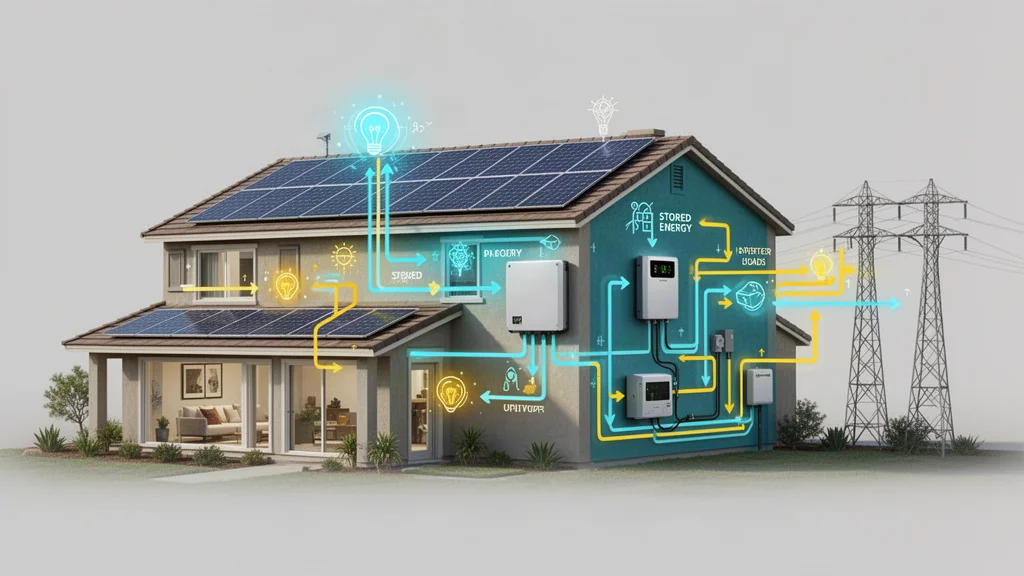
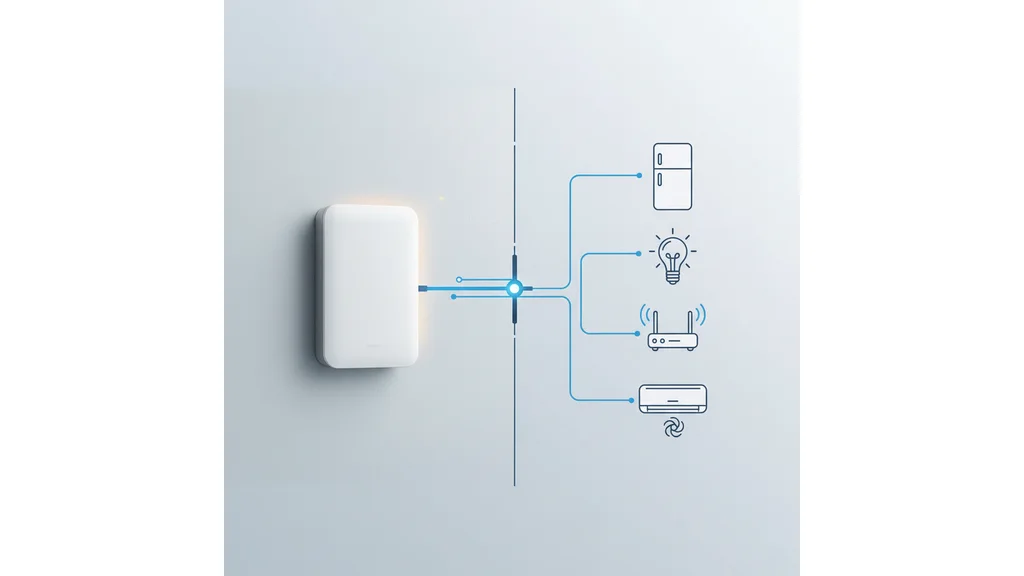
Illustrated explanation
How to plan home battery storage
- List essential loads. Write down the appliances and circuits needed during an outage, including their running watts and any starting surge.
- Compare power and energy. Check continuous output in kW separately from usable stored energy in kWh. Estimate runtime using realistic consumption and conversion losses.
- Verify the operating mode. Ask whether the system can isolate from the grid, recharge from solar during an outage, and comply with the applicable utility interconnection requirements.
For further independent technical context: California Energy Commission — Energy Resources. This is an educational reference, not an installer recommendation.
Frequently asked questions
How much is the RPU residential energy storage rebate?
As of October 25, 2026, RPU lists $500 per kWh up to $10,000 for eligible residential customers and $850 per kWh up to $17,000 for qualified customers enrolled in SHARE. The amount cannot exceed eligible project cost and is subject to funding and approval.
Do I need solar to qualify for the RPU storage rebate?
No. RPU says existing solar customers, new solar customers and standalone energy storage installations may qualify. A standalone battery still must meet ownership, permit, operating and time-of-use rate requirements.
Can a leased or third-party-owned battery qualify?
No under the current published rules. The system must be new and customer-owned, not leased or owned by a third party, and installed at the RPU service address.
What happens to an existing RPU NEM agreement?
RPU's acknowledgement says a legacy NEM customer accepting the rebate must transfer to Self-Gen Domestic Time-of-Use, the current NEM agreement terminates, and the customer cannot return to NEM after the transfer.
How long must I remain on the RPU time-of-use rate?
RPU requires the designated time-of-use rate for the life of the storage system. Its published definition treats end of service life as storage capacity falling below 60% of original capacity; afterward the customer may request an RPU rate review.
What documents does the RPU storage application require?
The current checklist includes paid-in-full sales and installation receipts, completed permits with final inspection, system and serial-number photos, manufacturer kWh specifications, the application and the signed Customer Acknowledgement and Authorization Letter.
How long do I have to submit the application?
RPU says the complete energy-storage application and supporting documents must be submitted within 180 days of the purchase date. Submission does not reserve funds or guarantee approval.
Can a 2026 battery installation use the federal homeowner tax credit?
Current IRS guidance says the Residential Clean Energy Credit is not available for property placed in service after December 31, 2025. Do not subtract a presumed 30% homeowner credit from a new 2026 installation without current tax advice.
Program contacts and verification
Riverside Public Utilities — Energy Storage Rebate
Application mailing address: Programs & Services – Energy Storage Rebate, 3025 Madison Street, Riverside, CA 92504
Email: RPURebates@RiversideCA.gov
Official program website Verify this information at its official sourceCheck eligibility and take the next step
These links open the official program or its application service.
Check RPU program status and current funding Download the 2026 RPU rebate application Download the required customer acknowledgement Review RPU electric rules and rates Check SHARE eligibilityQuestions worth asking
- How much is the RPU residential energy storage rebate?
- Do I need solar to qualify for the RPU storage rebate?
- Can a leased or third-party-owned battery qualify?
- What happens to an existing RPU NEM agreement?
- How long must I remain on the RPU time-of-use rate?
- What documents does the RPU storage application require?
- How long do I have to submit the application?
- Can a 2026 battery installation use the federal homeowner tax credit?
Related guides
Confirm which Riverside County utility serves the addressCompare California solar and battery assistanceCheck battery power, energy and contract detailsPlan realistic backup loads and runtimeSize storage around actual household loadsUnderstand permits, wiring and commissioningCompare full financing cost without assumed incentivesReconcile the proposal before signingCheck battery and installer warranty responsibilityStill researching solar?
Search homeowner guides by topic, electric utility, or location.
Sources and further reading
Updated: October 2026. Confirm changing details with the official sources.
These links identify documents and resources used for this guide. Listing a source does not mean it was independently checked today. Utility rates, incentives, product specifications and program availability may change; confirm the latest version and effective date with the source.
Riverside Public Utilities — Energy Storage Rebate ProgramRPU — 2026 Residential Energy Rebates ApplicationRPU — Energy Storage Customer Acknowledgement and Authorization LetterRPU — General Residential Energy Program GuidelinesRPU — Domestic Time-of-Use Schedule D-TOURPU — 2026 Self-Generation Rate ScheduleRPU — 2026–2027 Avoided Cost of Energy RateRPU — SHARE Eligibility and Participation RequirementsIRS — Residential Clean Energy CreditU.S. Department of Energy — Homeowner's Guide to SolarCalifornia Contractors State License Board — Check a LicenseStart with a home energy checkup
Organize your usage, home details and goals before comparing proposals.
Try the home energy checkupReady to compare companies?
Explore provider options when you are ready to request quotes.
Explore provider options