3CE Battery Pilot Status: Not Confirmed Open Yet
As of October 25, 2026, 3CE's residential battery VPP pilot is not confirmed open: the official page still says fall 2026 and shows no application, agreement or incentive amount.
Published by Home Solar Simplified · Editorial standards
https://homesolarsimplified.org/solar-guides/central-coast-battery-program-status
Published by Home Solar Simplified. Includes 9 linked sources. Documented editorial date: .
A citation or editorial date does not guarantee a tariff, incentive or program remains unchanged today.
Quick answer: the pilot is not confirmed open
As of October 25, 2026, Central Coast Community Energy's official page says its residential battery virtual power plant pilot is anticipated to launch in Fall 2026, but it shows no open application, no confirmed launch date, no published participation agreement and no confirmed incentive amount. That means the pilot is not confirmed open for homeowner enrollment. Do not subtract a rebate or virtual power plant participation reward from a battery quote unless 3CE supplies current written terms and an approval for your account.
What 3CE has actually announced
A June 24, 2026 3CE announcement says the agency and Lunar Energy entered a three- to four-year agreement to develop a virtual power plant using the Lunar Gridshare platform. The first phase is planned around home batteries, and 3CE said the platform would remotely coordinate participating devices. The release describes direct bill savings and a target of 5 MW of dispatchable capacity by the end of 2026, scaling toward 30 MW by 2030. Those are program plans and targets, not a homeowner payment schedule, open enrollment confirmation or guaranteed result.
Do not reuse the old FAQ as current VPP terms
The VPP page still contains an old FAQ from 3CE's residential battery rebate, including historical battery-size limits, processing times, daily discharge tracking and statements that 3CE could not control the battery. A November 2025 3CE procurement Q&A likewise described the older scheduling service as voluntary and said it did not grant dispatch rights. Those legacy details do not establish current VPP eligibility, payment, control or exit terms. The newer June 2026 announcement expressly describes remote coordination, so require the pilot's own dated agreement before enrolling.
Confirm both 3CE service and the delivery utility
This guide applies only when the electric-generation account is served by 3CE. Customers still receive delivery service and bills through PG&E or SCE, depending on location. Check the generation-provider line on the bill instead of relying on a Central Coast address alone. Ask which organization handles interconnection, battery permission to operate, VPP enrollment and any later payment.
Protect an existing NEM tariff before changing plans
3CE's Solar Billing Plan page says customers who voluntarily leave NEM 1.0 or NEM 2.0 are permanently transitioned to the Solar Billing Plan for generation and delivery service and cannot switch back. The current VPP page does not establish that joining the new pilot requires such a tariff change. Do not authorize one merely because an older rebate FAQ discusses it. Ask 3CE and PG&E or SCE to identify in writing whether enrollment changes the tariff, hourly export credits, annual true-up or low-income adders.
Demand written dispatch, backup and exit rules
Before connecting a battery to Lunar Gridshare or another platform, obtain the pilot agreement and equipment list. It should state who can remotely coordinate or discharge the battery, event windows and frequency, minimum backup reserve, customer overrides, outage priority, internet requirements, data access, warranty treatment, payment calculations, tax reporting, opt-outs, termination and any repayment or forfeiture. A general VPP description does not answer those contract questions.
Price the battery without unconfirmed assistance
Use the full installed cash price and the actual financed amount until 3CE confirms a benefit in writing. A hypothetical $18,000 battery with a hoped-for future $3,000 payment is still an $18,000 purchase at signing; it does not mean a lender automatically finances $15,000. Document who would receive any payment, when it could arrive, and what happens if the pilot, interconnection, enrollment or payment is delayed or denied.
Do not assume a federal homeowner credit will reduce a 2026 battery price. IRS guidance says the Residential Clean Energy Credit is unavailable for property placed in service after December 31, 2025. Ask a qualified tax professional about your own facts and keep any utility-program payment separate from tax claims.
Create a verification file and contact 3CE
Save the current VPP page, any dated enrollment notice, the signed participation agreement, exact battery model, CEC equipment listing, contractor license, interconnection approval, permission-to-operate notice, tariff confirmation and complete cash and financing proposals. Contact programs@3ce.org and ask whether enrollment is open, which accounts and batteries qualify, whether funding is available, what payment is approved, what backup reserve remains, who controls dispatch and what happens after a move or withdrawal. Until those answers are documented, treat the pilot as unavailable for budgeting.
Build a decision that can survive a launch delay
Separate a battery purchase needed now from a future program you might join. If backup is urgent, obtain an installed price and outage design that stand on their own, then treat an unconfirmed participation benefit as an optional later development. If the purchase makes sense only with a specific payment, waiting for published enrollment terms may provide a clearer decision than committing on the strength of an expected launch season.
Ask a bidder to label every program-dependent assumption, including compatible equipment, communications hardware, eligibility, remote-control capability and timing. Equipment marketed as capable of virtual-power-plant participation is not necessarily approved for a particular future program. A contractor's expectation should remain visibly separate from an administrator's written commitment.
Compare the final agreement with the announcement when it appears
When final terms become available, review what changed from the early description. Look for the actual participant group, service-account requirements, equipment list, application dates, payment method, operating authority and exit provisions. Do not assume that a launch announcement incorporates every term of a prior rebate or pilot. Ask whether the terms apply to an existing installation, a newly purchased battery or only selected customers.
Consider the household's ordinary battery schedule as a baseline. Ask how program dispatch could change imports, exports, available backup and the number of cycles. A participation reward should be compared with those operating effects, not added to a solar proposal without any change elsewhere in the model. Save the final version accepted and the confirmation showing when participation begins.
If you choose to wait, define the missing information that would trigger a new review rather than repeatedly collecting speculative quotes. That might be an open application, an approved equipment list or a written answer about legacy NEM treatment. A clear trigger keeps the decision focused and makes later comparisons less dependent on memory or a salesperson's changing account of the program.
Illustrated explanation
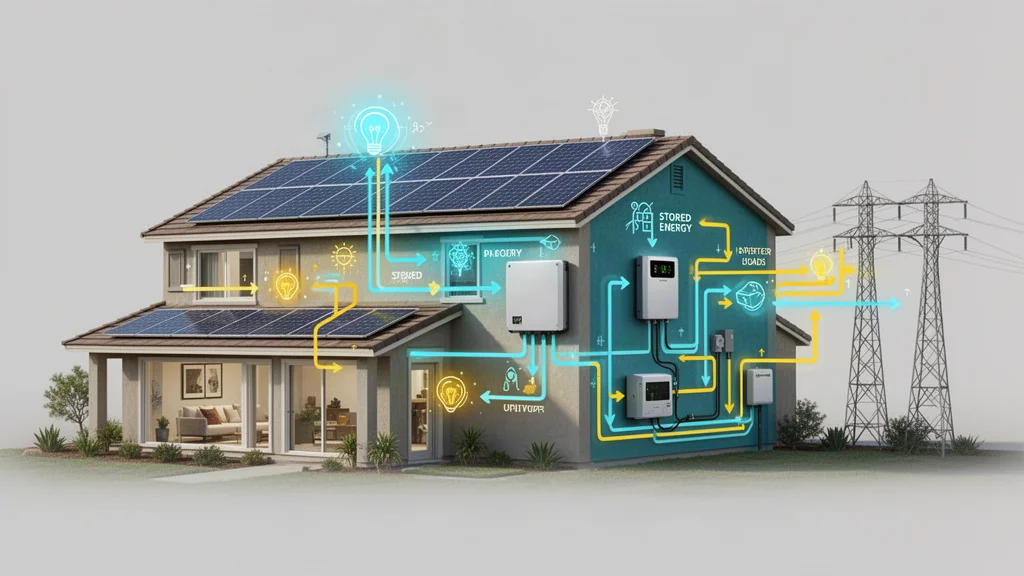
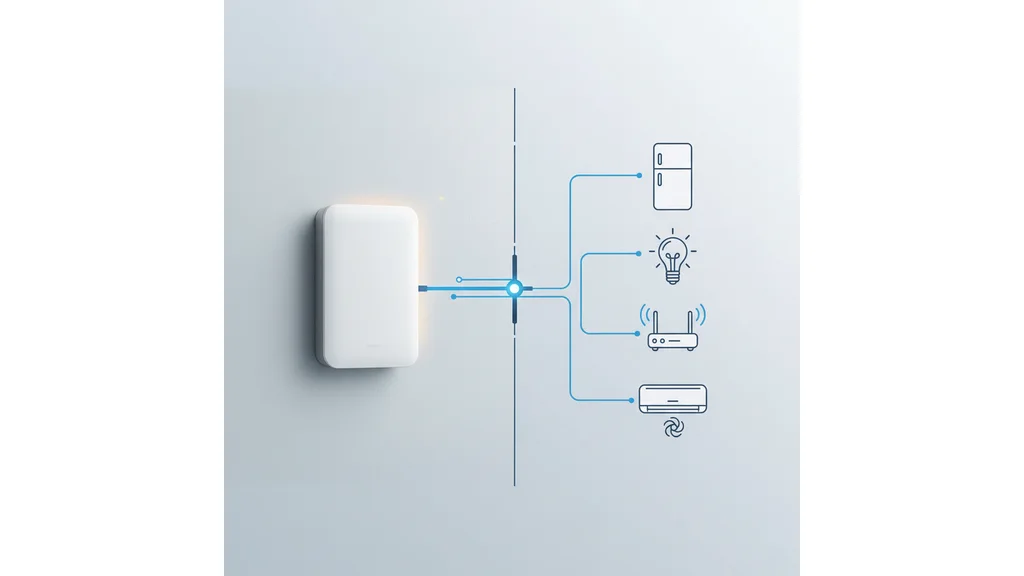
How to plan home battery storage
- List essential loads. Write down the appliances and circuits needed during an outage, including their running watts and any starting surge.
- Compare power and energy. Check continuous output in kW separately from usable stored energy in kWh. Estimate runtime using realistic consumption and conversion losses.
- Verify the operating mode. Ask whether the system can isolate from the grid, recharge from solar during an outage, and comply with the applicable utility interconnection requirements.
For further independent technical context: California Energy Commission — Energy Resources. This is an educational reference, not an installer recommendation.
Frequently asked questions
Is the 3CE residential battery VPP pilot open?
Not according to the evidence available on October 25, 2026. The official page says the pilot is anticipated to launch in Fall 2026 but shows no open application, confirmed launch date or published participation agreement.
Has 3CE published a battery-pilot incentive amount?
The current VPP page does not publish a confirmed incentive amount for the new pilot. Do not reuse a payment from the older residential battery rebate or deduct an assumed reward from a quote.
Do the older rebate FAQs govern the new VPP?
No current source establishes that. The older residential battery rebate FAQs remain on the page, but they do not establish current VPP eligibility, payment, remote-control, backup-reserve or exit terms.
Who would coordinate batteries in the planned VPP?
3CE's June 24, 2026 announcement identifies Lunar Energy's Lunar Gridshare platform and says the program will remotely coordinate participating devices. Homeowners should read the pilot's own agreement before authorizing access.
Does every Central Coast household qualify?
No. Confirm that 3CE supplies the generation portion of the account and identify whether PG&E or SCE provides delivery. The official pilot terms must still confirm account, equipment and enrollment eligibility.
Could joining affect an existing NEM tariff?
The current VPP page does not establish that a tariff change is required. Because 3CE says voluntarily leaving NEM 1.0 or NEM 2.0 for its Solar Billing Plan is permanent, obtain written confirmation before authorizing any rate change.
What dispatch and backup terms should I request?
Request event timing and frequency, remote-control permissions, customer overrides, backup reserve, outage priority, connectivity, data use, payment, termination and repayment terms in the dated participation agreement.
Can a 2026 battery proposal assume the federal homeowner credit?
No. IRS guidance says the Residential Clean Energy Credit is unavailable for property placed in service after December 31, 2025. A future 3CE payment would be a separate conditional program benefit.
Program contacts and verification
Central Coast Community Energy — Battery Pilot
Phone: 877-455-2223
Email: programs@3ce.org
Official program website Verify this information at its official sourceCheck eligibility and take the next step
These links open the official program or its application service.
Check the current 3CE VPP pilot status Review 3CE's Solar Billing Plan before changing tariffsQuestions worth asking
- Is my account served by 3CE?
- Is the new pilot accepting applications now?
- Which dated rules govern my application?
- Does participation change my solar rate or battery controls?
- Is any quoted amount confirmed by 3CE?
- What backup reserve remains after a dispatch event?
- Can I override an event or leave without repayment?
- Is the full project affordable without the pilot?
Related guides
California: other solar and battery assistanceDecide whether a battery fits your goalsSize a battery from loads and runtimeEstimate how many batteries you needUnderstand California net billing and batteriesCompare financing without assumed incentivesCheck the contract before signingCompare battery systems by fitReview a battery quote before signingStill researching solar?
Search homeowner guides by topic, electric utility, or location.
Sources and further reading
Updated: October 2026. Confirm changing details with the official sources.
These links identify documents and resources used for this guide. Listing a source does not mean it was independently checked today. Utility rates, incentives, product specifications and program availability may change; confirm the latest version and effective date with the source.
3CE — Virtual Power Plant and residential battery pilot status3CE — Lunar Energy virtual power plant announcement (June 24, 2026)3CE — Solar Billing Plan3CE — DERMS RFP questions and answers (November 18, 2025)3CE — 2026 energy-solutions department and VPP developmentCalifornia Energy Commission — Solar equipment listsCSLB — Solar Smart consumer guidanceU.S. Department of Energy — Solar and storage basicsIRS — Residential Clean Energy CreditStart with a home energy checkup
Organize your usage, home details and goals before comparing proposals.
Try the home energy checkupReady to compare companies?
Explore provider options when you are ready to request quotes.
Explore provider options