Clean Power Alliance Battery Rebate: Eligibility, Dates and the $3,500 Maximum
As of October 25, 2026, CPA lists a $2,000 base amount for qualifying applications submitted on or after September 1, 2026; the $3,500 maximum requires separate address and household eligibility.
Published by Home Solar Simplified · Editorial standards
https://homesolarsimplified.org/solar-guides/clean-power-alliance-battery-rebates
Published by Home Solar Simplified. Includes 10 linked sources. Documented editorial date: .
A citation or editorial date does not guarantee a tariff, incentive or program remains unchanged today.
Quick answer: verify the application date and every added incentive
As of October 25, 2026, Clean Power Alliance says the Sun Storage Rebate has a $2,000 base incentive for new reservation or claim applications submitted on or after September 1, 2026. A qualifying Reliability+ address may add $1,250, and an eligible Medical Baseline or CARE or FERA account may add $250. The medical and income additions cannot both be claimed. The advertised $3,500 maximum is therefore conditional, not a standard award.
Do not subtract the headline amount from a quote until CPA confirms the residential account, exact service address, application date, equipment, contractor and available funding. Incentives are first-come, first-served; if funds are fully reserved, CPA says a new applicant enters a waitlist.
October 29, 2026 source check: use the new announcement with the approval file
CPA's October 26 announcement independently confirms the $2,000 base and up-to-$3,500 total already described in this guide. It states that applications may be made before installation or within three months after an eligible installation. Because the FAQ still uses different wording for already-operating batteries, request a written answer using your actual installation and application dates. Do not treat the announcement as an extension of an individual reservation.
The linked 2025 handbook still shows older incentive dollars and also contains operating requirements. Use the current dated program page and written administrator approval for the applicable amount, and confirm which current technical and daily-discharge terms govern your system. Keep any separate Power Response enrollment decision and backup-reserve settings documented; this source check does not establish universal stacking or an additional VPP obligation.
Use current web terms, not an older dollar amount
CPA's current program page states that the base amount increased from $750 to $2,000 for qualifying reservation or claim applications submitted on or after September 1, 2026. Some older CPA forms and planning documents still show the prior $750 base or $1,000 assistance-rate amount. Preserve the dated approval that governs the actual application instead of mixing old dollar figures with current eligibility language.
The current page lists a $1,250 Reliability+ incentive for homes in qualifying areas often affected by Public Safety Power Shutoff events. It also lists a $250 addition for Medical Baseline or CARE or FERA bill-assistance eligibility. Use the official address map and current account enrollment; a city name, ZIP-code example or salesperson's estimate is not an eligibility decision.
Pass the account, equipment and operating tests
The currently linked CPA terms require a residential CPA account rather than an SCE bundled or Direct Access account. Before incentive payout, the account must be enrolled in a NEM or Solar Billing Plan rate schedule. The system must use a new battery paired with solar, total at least 5 kWh, appear on the SGIP Verified Equipment List and be set to discharge 50% of its capacity daily.
Treat those as written design and operating commitments. Ask how the daily-discharge setting interacts with the backup reserve, medical loads and outage plan. Confirm the exact model, combined capacity, inverter or gateway, interconnection path and any continuing program-control obligation before authorizing installation.
Apply before installation unless CPA confirms otherwise in writing
CPA's program page says a customer can apply before installation or up to three months after installing an eligible battery, while CPA's FAQ says a customer with an already operating battery is not eligible. Because those instructions can be read differently, applying before installation and obtaining written approval is the safer sequence. Identify the licensed contractor on the reservation form and keep proof of the approved equipment and application dates.
An approved reservation is not guaranteed after reservation. CPA says the claim form and required documents must be accepted before expiration. The linked terms describe a one-year reservation and up to two three-month extensions requested before the controlling deadline. A changed battery model must be rechecked and can cause loss of the reserved spot.
Separate reservation, claim approval and payment
Track four stages separately: submitted application, reservation approval, claim approval and actual payment. A waitlist entry is not a reservation, and a reservation is not cash. Ask who receives the incentive, which invoices, permits and interconnection records the claim needs, when the claim is reviewed, and what happens if funding, equipment or dates change.
Keep Sun Storage separate from CPA Power Response. Power Response is a demand-response program with device-control and participation conditions; its possible rewards are not an upfront equipment rebate. Confirm program compatibility, event opt-outs and the backup reserve before counting future rewards.
Compare the full installed cash price without assumed assistance
Require the full installed cash price before incentives, including battery, inverter or gateway, backup panel or load controls, electrical work, permits, interconnection, monitoring and commissioning. Put each CPA component on a separate conditional line. Also show the financed amount, APR, payment schedule and total of payments without assuming the rebate arrives or automatically reduces the loan.
Current IRS guidance says the Residential Clean Energy Credit under Internal Revenue Code Section 25D is not available for property placed in service after December 31, 2025. Do not add a presumed 30% federal homeowner credit to a 2026 CPA estimate. Ask a qualified tax professional about any historical carryforward or taxpayer-specific issue.
Keep a written approval and claim file
Save the CPA bill showing the generation provider, service address result, dated incentive terms, contractor license check, approved reservation, exact equipment model, permit, interconnection or permission-to-operate record, paid invoice, claim submission and final payment notice. Record every expiration and extension deadline.
The contract should say who submits each step, who receives the rebate and who pays the difference if the application is waitlisted, reduced or denied. If expected funding is material to affordability, obtain a cancellation or scope-change provision in writing before paying a nonrefundable amount.
Compare a claimed rebate with the actual contractor payment terms
A proposal may display a net price after anticipated assistance while the contract requires the full amount before any claim is paid. Ask for the dates and amounts of every homeowner payment, the party receiving the program payment and the mechanism for passing it through if it goes to someone else. A subtraction on a sales sheet is not the same as a contractual reduction in the amount owed. If an installer offers to advance the expected rebate, obtain the conditions and responsibility for denial in writing.
For a financed project, ask the lender how a later rebate affects the loan. A payment toward principal may reduce interest or shorten the term without reducing the required monthly payment. Check the actual loan terms rather than assuming that receipt of a program payment automatically changes the bill. Make sure the household can meet the contractual payments during a delayed claim review.
Resolve the installed-system question before authorizing changes
When program materials appear to give different answers about an already operating battery, provide CPA with the installation date, operating status, equipment model and application history. Ask a specific eligibility question and save the response with the project file. A generic statement that the program accepts applications is not an answer about that particular installation.
Do not alter an operating system, create a second application or change the customer account solely to fit a salesperson's interpretation. Ask the administrator which corrective action, if any, is appropriate. If no benefit is available, evaluate the battery under its current costs and operating capabilities. That allows the household to make a useful decision even when a disputed or conditional incentive remains unresolved.
Keep the final answer with the exact question and supporting dates. A saved response without the installation facts can be difficult to interpret later, particularly if another representative reviews the case.
Illustrated explanation
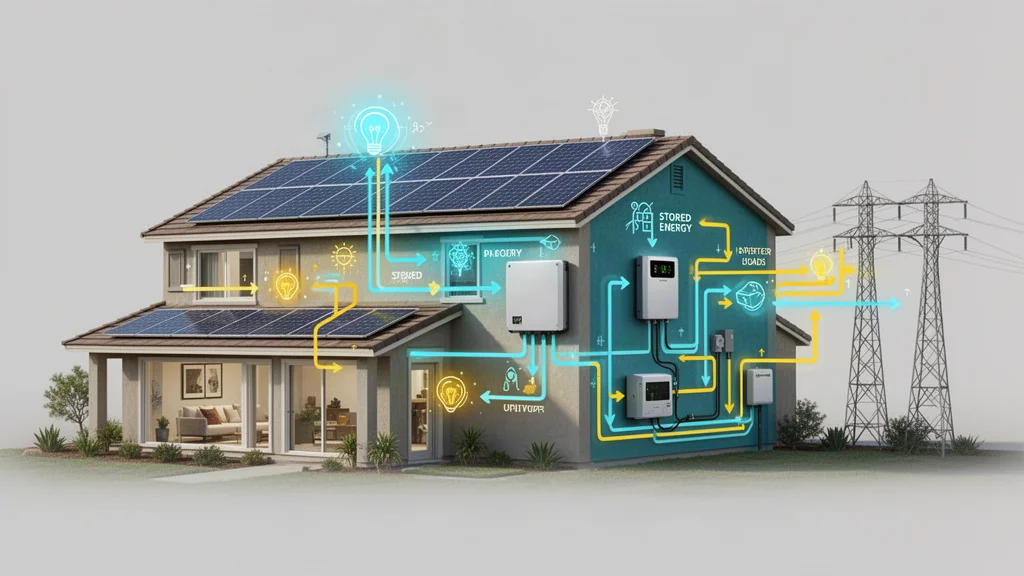
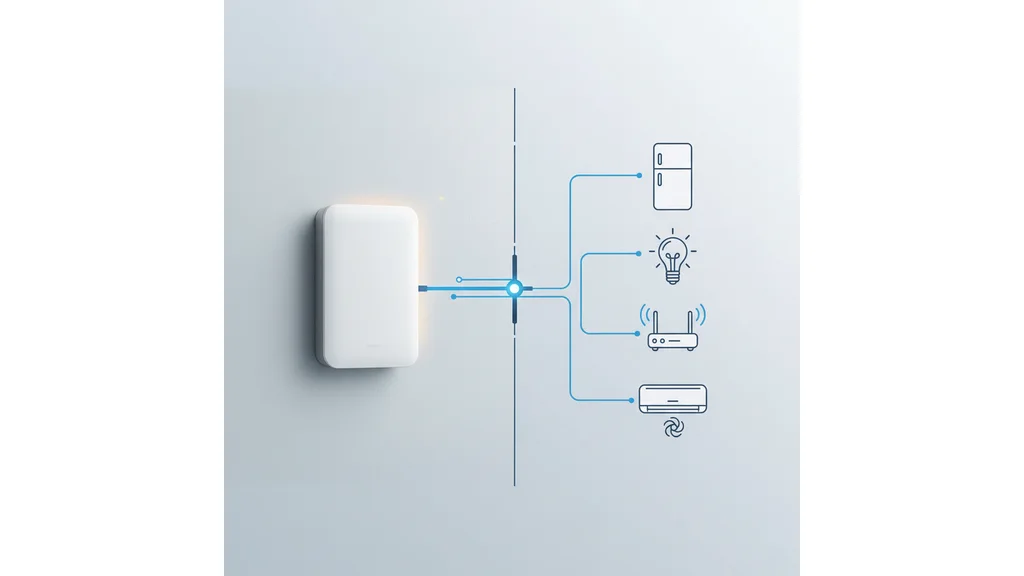
How to plan home battery storage
- List essential loads. Write down the appliances and circuits needed during an outage, including their running watts and any starting surge.
- Compare power and energy. Check continuous output in kW separately from usable stored energy in kWh. Estimate runtime using realistic consumption and conversion losses.
- Verify the operating mode. Ask whether the system can isolate from the grid, recharge from solar during an outage, and comply with the applicable utility interconnection requirements.
For further independent technical context: California Energy Commission — Energy Resources. This is an educational reference, not an installer recommendation.
Frequently asked questions
How much is the Clean Power Alliance Sun Storage Rebate in 2026?
CPA says qualifying reservation or claim applications submitted on or after September 1, 2026 can receive a $2,000 base incentive. Separate eligibility can raise the total to $3,500.
Does every CPA customer receive the $3,500 maximum?
No. The maximum combines the $2,000 base, a $1,250 Reliability+ address incentive and one $250 medical- or income-qualified addition, subject to eligibility, funding and claim approval.
Can I claim both the Medical Baseline and CARE or FERA additions?
No. CPA states that the medical and income-qualified $250 additions cannot both be claimed.
Can I apply after installing a battery?
CPA's program page mentions applications up to three months after installation, but its FAQ excludes customers who already have an operating battery. Apply before installation and obtain written confirmation for the actual dates.
Does a CPA reservation guarantee payment?
No. Funding can be waitlisted, equipment changes can affect eligibility, and CPA requires an accepted claim before the reservation expires.
What equipment can qualify for the CPA battery rebate?
Current linked terms require a new solar-paired system of at least 5 kWh using equipment on the SGIP Verified Equipment List, plus the applicable account, rate and operating requirements.
Can I count CPA Power Response rewards as part of the rebate?
No. Power Response is a separate demand-response program with participation and device-control conditions. Treat possible future rewards separately from the equipment rebate.
Program contacts and verification
Clean Power Alliance — Sun Storage Rebate / Energy Team
Phone: 866-319-4488
Official program website Verify this information at its official sourceCheck eligibility and take the next step
These links open the official program or its application service.
Check CPA rebate eligibility Check your address for Reliability+ Apply through CPA's official rebate portal Read CPA's October 26 application-timing announcementQuestions worth asking
- Is my account an eligible CPA account?
- Does my address qualify for Reliability+?
- Which one of the $250 additions applies?
- Are my battery and application dates eligible?
- Can these programs be combined for my specific project?
- What happens if funding is waitlisted or denied?
Related guides
Ventura County: your starting pointsLos Angeles County: solar and battery helpSeparate program: CPA battery participation rewardsCompare California incentive pathwaysCheck SCE storage-program status separatelySize storage from loads and runtimeCalculate battery count before chasing a rebateCompare financing without assumed incentivesVerify the contractor independentlyStill researching solar?
Search homeowner guides by topic, electric utility, or location.
Sources and further reading
Updated: October 2026. Confirm changing details with the official sources.
These links identify documents and resources used for this guide. Listing a source does not mean it was independently checked today. Utility rates, incentives, product specifications and program availability may change; confirm the latest version and effective date with the source.
Clean Power Alliance — Sun Storage RebateClean Power Alliance — Sun Storage Rebate FAQClean Power Alliance — current homepage program summaryClean Power Alliance — currently linked reservation termsCPA — official Reliability+ address mapClean Power Alliance — Power Response Smart HomeCPUC — CARE and FERACSLB — Check a Contractor LicenseIRS — Residential Clean Energy CreditCPA — October 26, 2026 Sun Storage announcementStart with a home energy checkup
Organize your usage, home details and goals before comparing proposals.
Try the home energy checkupReady to compare companies?
Explore provider options when you are ready to request quotes.
Explore provider options