CPA Power Response Battery Rewards: Terms Before You Enroll
As of October 25, 2026, CPA lists a $400 signup gift card and a conditional $300 annual gift card for an eligible SolarEdge Home Battery—but enrollment authorizes remote dispatch and the reward is not an upfront battery rebate.
Published by Home Solar Simplified · Editorial standards
https://homesolarsimplified.org/solar-guides/cpa-battery-participation-rewards
Published by Home Solar Simplified. Includes 7 linked sources. Documented editorial date: .
A citation or editorial date does not guarantee a tariff, incentive or program remains unchanged today.
Quick answer: the rewards are conditional participation payments
As of October 25, 2026, Clean Power Alliance's Power Response Smart Home page lists a $400 digital gift card for enrolling an eligible SolarEdge Home Battery and a $300 annual digital gift card for continued participation. The June 9, 2025 terms say the enrollment incentive is sent within six weeks of enrollment approval and annual payments are processed in November. The gift cards are not cash, not an SCE or CPA statement credit and not a rebate automatically deducted from a battery purchase. Treat every annual amount as conditional future revenue, not guaranteed upfront savings.
Confirm every account and equipment requirement
The current terms require a CPA electricity account holder on a residential rate, a valid email, an SCE-approved smart meter, and an eligible connected device at the service address. For the battery option, the named device is a SolarEdge Home Battery connected through the home's wireless network. CPA makes the final eligibility determination. Customers on Medical Baseline are not eligible under the published terms, and an account enrolled in SCE's Summer Discount Program, another SCE demand response program or another third-party demand response program must disenroll before joining Power Response.
Do not assume that a different battery brand, a battery at another service address or an account merely located in CPA territory qualifies. Use the device-registration route on CPA's current Smart Home page and wait for the approval email; CPA says confirmation may take up to three weeks.
Understand remote dispatch before enrolling
Enrollment authorizes CPA's program implementer and the device manufacturer to access information and remotely control the battery during events. The June 2025 terms allow an eligible battery to be dispatched at any time or day up to 100 times per year. No event may last longer than five hours, events may not occur more than three consecutive days in a row, and the battery must maintain a minimum charge of 20%. Ask whether your own backup-reserve setting can be higher, how outage preparation works, whether an event can be overridden, and how dispatch may affect cycling or warranty treatment.
Read the term, amendment and termination clauses
The dated terms identify a Program Term ending March 3, 2027, as may be extended, and also say CPA may amend the terms and change the amount or nature of incentives. CPA may suspend the program or terminate participation at its discretion. A homeowner may withdraw at any time without financial penalty, but a participant who suspends or terminates participation—including by disconnecting the device—becomes ineligible for accrued or subsequent incentives. That is loss of eligibility, not a published forfeiture or repayment charge and not a promise that every accrued payment will be made.
The current FAQ and the dated terms publish different support contact details. Use the contact information on CPA's live Smart Home FAQ when you enroll or withdraw, and save the confirmation email. Ask CPA to confirm in writing which version of the terms governs your account.
Keep Power Response separate from Sun Storage
Power Response is a demand response participation program. CPA's Sun Storage program is a separate purchase rebate with its own application, reservation, equipment and operating requirements. A homeowner should not use the $400 signup gift card or hoped-for annual rewards as a substitute for a confirmed Sun Storage reservation. Ask CPA whether the same battery may receive both benefits and whether either program changes the other program's operating obligations.
Price a new battery without future gift cards
If you already own an eligible SolarEdge Home Battery, compare the participation obligations with the potential gift cards. If you are buying a battery, use the full installed cash price and actual financed amount before any Power Response reward. A $400 signup gift card plus three full $300 annual gift cards would total $1,300 only if enrollment is approved and every later payment is earned. A lender does not automatically finance $1,300 less, and monthly loan payments do not automatically fall when a gift card arrives.
The terms place responsibility for federal, state and local tax compliance on the participant. They do not promise that a gift card is tax-free. Keep the equipment purchase, any Sun Storage rebate, any Power Response gift card and any electricity-bill change as separate line items.
Check connectivity, communications and payment delivery
The homeowner is responsible for keeping the battery operational, connected to home Wi-Fi and reachable by the program. The terms say communications and incentives for SolarEdge participants go to the email supplied during enrollment. Keep that address current, whitelist the current gift-card sender shown in CPA's FAQ and save enrollment, event and payment messages. Ask whether an internet outage, device replacement, home sale or email failure affects continued participation or the annual gift card.
Use a written enrollment checklist
Before registering, save the live Smart Home page and FAQ, download the dated terms, confirm the exact SolarEdge model and service account, check for conflicting demand response enrollment, choose a backup reserve, and record the enrollment email. After approval, save the approval date, scheduled event notices, device connectivity records and each gift-card message. Recheck the program each year because CPA may revise eligibility, operating rules and incentives.
Check the household result after the first events
After the first program events, compare the event notices with the battery's recorded state of charge and the household's grid purchases. Note the date, event duration and whether the equipment followed the expected settings. An event can produce an operating effect before any annual reward arrives, so keep those two timelines separate. Use several events rather than one unusual day when judging whether participation fits the household.
Ask for help when an unexplained dispatch, missing notice or reserve-setting change occurs. Provide the device identifier, timestamp and screenshot through the official support route; do not share monitoring passwords with an unsolicited caller. Save the response and any corrected setting. If the program's practical effect differs from what you expected, revisit the governing terms and ask about the available withdrawal process.
Include the household's effort in the decision. Maintaining connectivity, tracking messages and resolving gift-card delivery issues may be simple for one homeowner and burdensome for another. The sensible comparison is the conditional reward alongside the operating obligations and administrative work you are willing to manage, rather than treating an annual headline amount as automatic passive income.
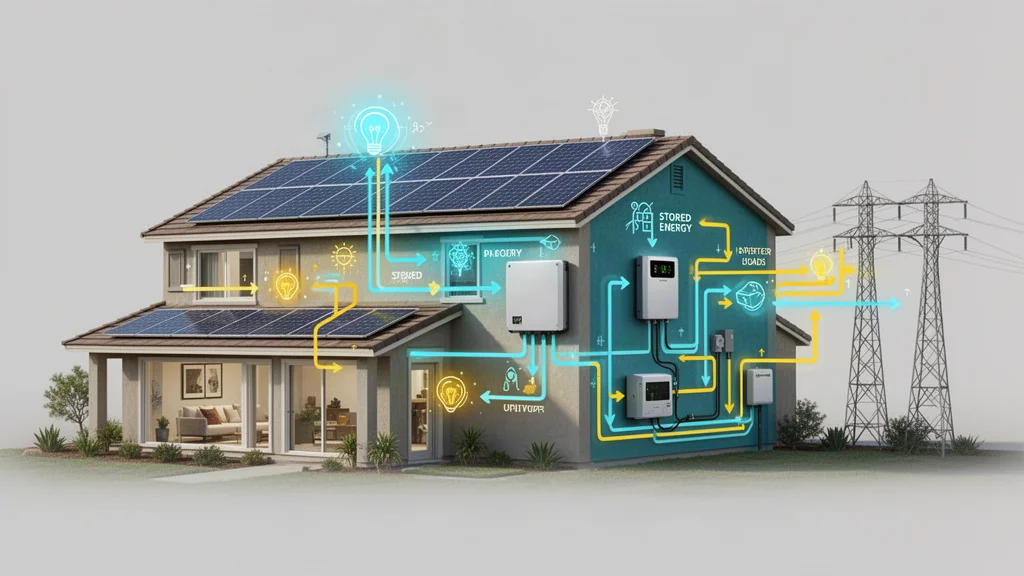
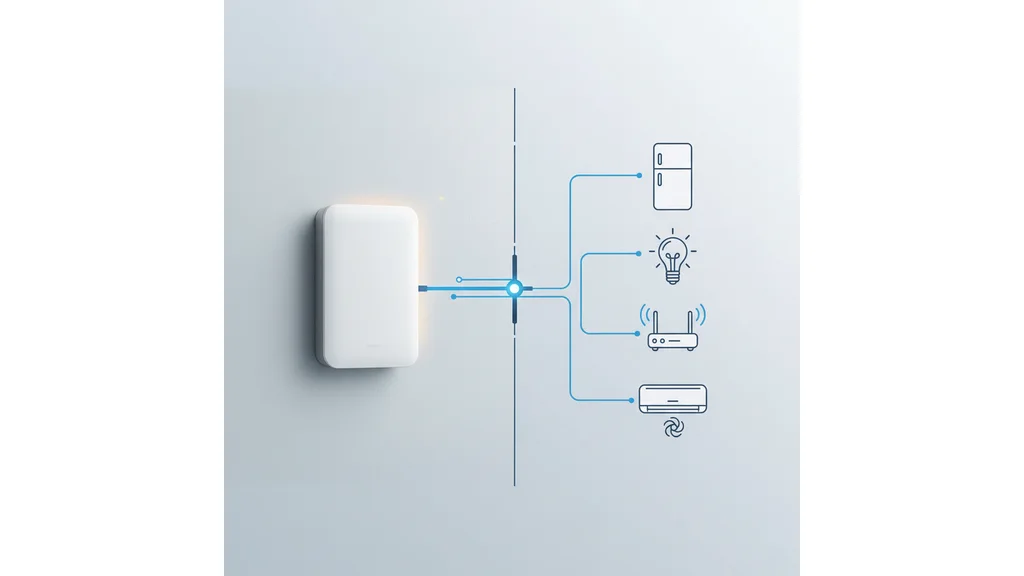
Illustrated explanation
How to plan home battery storage
- List essential loads. Write down the appliances and circuits needed during an outage, including their running watts and any starting surge.
- Compare power and energy. Check continuous output in kW separately from usable stored energy in kWh. Estimate runtime using realistic consumption and conversion losses.
- Verify the operating mode. Ask whether the system can isolate from the grid, recharge from solar during an outage, and comply with the applicable utility interconnection requirements.
For further independent technical context: California Energy Commission — Energy Resources. This is an educational reference, not an installer recommendation.
Frequently asked questions
Is the $400 payment an upfront battery rebate?
No. CPA describes it as a digital gift card sent after enrollment approval, not cash, an SCE or CPA statement credit, or a deduction from a battery contract.
Which home battery currently qualifies for the published reward?
The current CPA terms name the SolarEdge Home Battery. CPA makes the final eligibility determination, so confirm the exact model and registration route before relying on either gift card.
How often can CPA remotely control a participating battery?
The June 9, 2025 terms allow dispatch up to 100 times per year, with no event longer than five hours and no events on more than three consecutive days.
What minimum battery charge remains during events?
The published terms require a minimum charge of 20%. Ask whether you can select a higher backup reserve and how outage preparation or an override works.
Can a Medical Baseline customer enroll?
Not under the June 9, 2025 terms, which say customers on Medical Baseline are not eligible. Confirm current rules directly with CPA before making any change.
Can the account stay enrolled in another demand response program?
The published terms say an account in SCE's Summer Discount Program, another SCE demand response program or another third-party demand response program must disenroll before joining Power Response.
What happens to rewards if I withdraw?
The terms allow withdrawal without financial penalty, but say a participant who suspends or terminates participation becomes ineligible for accrued or subsequent incentives.
When are the battery gift cards sent?
The terms say the $400 enrollment gift card is sent within six weeks of enrollment approval and the $300 annual participation gift card is processed in November, subject to continued eligibility and current program terms.
Program contacts and verification
Clean Power Alliance — Power Response
Phone: 877-526-1589
Email: support@cpapowerresponse.org
Official program website Verify this information at its official sourceCheck eligibility and take the next step
These links open the official program or its application service.
Check eligible devices and start with CPA Review the current Smart Home FAQ and support detailsQuestions worth asking
- Is the $400 payment an upfront battery rebate?
- Which battery currently qualifies?
- How often can CPA dispatch the battery?
- What minimum battery charge remains?
- Can Medical Baseline customers enroll?
- Can I stay in another demand response program?
- What happens if I withdraw?
- When are the gift cards sent?
Related guides
Separate purchase rebate: CPA Sun StorageCheck Ventura County utility and battery programsUnderstand batteries under California net billingSize battery capacity and power from loadsCompare home batteries by fit, not rewardReview battery contract and operating termsCompare financing without assumed future rewardsCheck six contract questions before signingPlan backup reserve and load coverageStill researching solar?
Search homeowner guides by topic, electric utility, or location.
Sources and further reading
Updated: October 2026. Confirm changing details with the official sources.
These links identify documents and resources used for this guide. Listing a source does not mean it was independently checked today. Utility rates, incentives, product specifications and program availability may change; confirm the latest version and effective date with the source.
Clean Power Alliance — Power Response Smart Home enrollment and current rewardsClean Power Alliance — Power Response residential terms (June 9, 2025)Clean Power Alliance — Power Response Smart Home FAQsClean Power Alliance — Smart Home program fact sheetClean Power Alliance — 2026 revised load-management compliance planClean Power Alliance — Energy Saving EventsClean Power Alliance — current residential program directoryStart with a home energy checkup
Organize your usage, home details and goals before comparing proposals.
Try the home energy checkupReady to compare companies?
Explore provider options when you are ready to request quotes.
Explore provider options