Solar and Battery Rebates in Orange County: What Can Your Home Qualify For?
As of October 25, 2026, Orange County has no universal county rebate. Use the electric account to check Anaheim's bill credit, DAC-SASH eligibility, SCE's waitlisted solar-plus-storage budget or OCPA's closed battery offer.
Published by Home Solar Simplified · Editorial standards
https://homesolarsimplified.org/solar-guides/orange-county-solar-battery-rebates
Published by Home Solar Simplified. Includes 12 linked sources. Documented editorial date: .
A citation or editorial date does not guarantee a tariff, incentive or program remains unchanged today.
Quick answer: start with the electric account, not the county name
As of October 25, 2026, Orange County has no universal county rebate for rooftop solar or a home battery. Open a recent electric bill and identify the delivery utility, any community-choice generation provider, the service address and the account holder. Anaheim Public Utilities customers have a different starting point from households billed by Southern California Edison.
Separate four questions before estimating savings: Is the help a rooftop-installation program, a battery incentive, a monthly bill credit or only a place on a waitlist? Is your specific account eligible? Is funding reserved in writing? Must approval happen before purchase or installation? Until those answers are documented, budget the full project without unapproved assistance.
Who does what on an Orange County electric bill
Anaheim Public Utilities is a municipal utility with its own electric programs. In participating OCPA communities, OCPA provides generation while SCE provides delivery and billing. OCPA's official bill guide says the household receives one SCE bill showing SCE delivery charges and OCPA generation charges. The appearance of both names does not mean two delivery utilities serve the home.
This division matters because a generation provider's local program, an SCE-administered SGIP budget and a municipal-utility discount can have different eligibility and funding rules. Huntington Beach is also a caution against relying on an old city list: OCPA says service there ended in 2024. Confirm the names on today's bill rather than assuming that an Orange County address belongs to a particular program.
OCPA's $1,000 battery program is closed to new applications
OCPA's Residential Battery Rebate Program page says it is no longer accepting new applications. The one-time amount was $1,000 for qualifying permanent battery systems. Approved reservations had to complete installation and submit the claim within six months of reservation approval or by May 15, 2026, whichever came first. A new 2026 quote should not subtract that amount.
The old program also required approval before purchase, lease or installation, eligible equipment, a licensed contractor and later SCE permission-to-operate documentation. An old flyer, initial application or salesperson's estimate was not a payment guarantee. If you already had an approved reservation and met the deadline, use OCPA's current page and written correspondence to confirm any remaining documentation; everyone else should price the project without this closed offer.
Anaheim offers a limited bill credit, not an installation rebate
Anaheim's Community Solar Discount Program provides an approved customer a $20 monthly bill credit for up to 12 months. It is not a rooftop installation rebate and does not require buying panels or a battery. Participation is based on 80% of Orange County median income, adjusted annually, and is subject to available funding. Anaheim gives first-time participants priority and says a customer may reapply 18 months after initial participation.
The applicant must be an eligible Anaheim residential electric customer or qualifying sub-metered master-meter customer and a responsible party on the account. Anaheim's application also says the Community Solar Discount cannot be combined with its Energy or Water Discount. Use the current household-size income table and application; do not rely on an old dollar threshold or pay an installer to access this utility credit.
DAC-SASH is a solar pathway for a narrower group of homeowners
GRID Alternatives administers DAC-SASH, which can provide qualifying low-income homeowners in designated disadvantaged communities with no-cost rooftop solar. The current handbook requires the applicant to own and occupy a single-family home as the primary residence, receive electric service from an eligible investor-owned utility such as SCE, live in a qualifying disadvantaged community or eligible tribal area, and meet CARE or FERA household-income requirements.
A ZIP code, neighborhood label or solar salesperson's screen is not final eligibility. GRID verifies the address, household, ownership and income evidence. DAC-SASH is a solar program, not an automatic battery award. Start with GRID's official eligibility page and retain its written determination before signing an agreement that depends on assistance.
SCE's income-qualified solar-plus-storage budget is waitlisted
SCE's current SGIP page says the state-funded Residential Solar and Storage Equity program's RSSE budget funds have been exhausted and applications are on a waitlist. The statewide SelfGenCA program-metrics page is the right place to recheck the current budget category and administrator status. A waitlist is not an award, reservation, check or permission to start work.
RSSE has detailed income and property eligibility rules, but satisfying them does not create available funding. Ask the installer to name the exact budget category, program administrator, application identifier and current queue status. The proposal should state who owes the balance if no incentive is reserved, reduced or paid.
The homeowner federal credit ended for new post-2025 projects
The IRS says the Residential Clean Energy Credit is not available for property placed in service after December 31, 2025. Do not reduce a 2026 homeowner quote by 30% based on an older website, brochure or calculator. OCPA's battery page still links generic federal-credit language, so use the current IRS page for the federal rule.
An unused credit from qualifying earlier property may carry forward, and the IRS's draft 2026 Form 5695 instructions describe using a residential clean-energy credit carryforward from 2025. That is different from earning a new credit on property placed in service in 2026. Tax eligibility is individual; a seller should not present a refund amount as guaranteed.
Build the contract around confirmed assistance, not hopeful assistance
Request the full installed cash price, the financed amount, interest rate, loan term, dealer or origination fees, payment schedule and total financed repayment. Then list each potential program separately with its administrator, status, written amount and conditions. The comparison should work without unapproved assistance and without a new homeowner federal credit.
Confirm whether approval before purchase, lease or installation is required. Do not let an installer start merely because an eligibility screen or waitlist email arrived. Ask who submits the application, who receives the payment, whether you must pay first, what happens if equipment changes, and who is responsible if the award is denied. Verify the contractor's active CSLB license separately.
A written Orange County application checklist
Keep a recent complete electric bill, the service address, account-holder name, household-size and income documents where required, property-ownership evidence, proposed equipment model and capacity, contractor license number, cash price, financing disclosure, permit timeline and every program email. Save a dated screenshot or PDF of the administrator's current status because funding can change after this review.
Use the official links below instead of a sales lead form. If the account is Anaheim, start with Anaheim. If SCE provides delivery, check SCE, SelfGenCA and GRID as applicable. If OCPA appears for generation, remember its $1,000 battery program is closed to new applicants. A responsible quote states the full price first and treats assistance only as confirmed when the administrator says so in writing.
Illustrated explanation
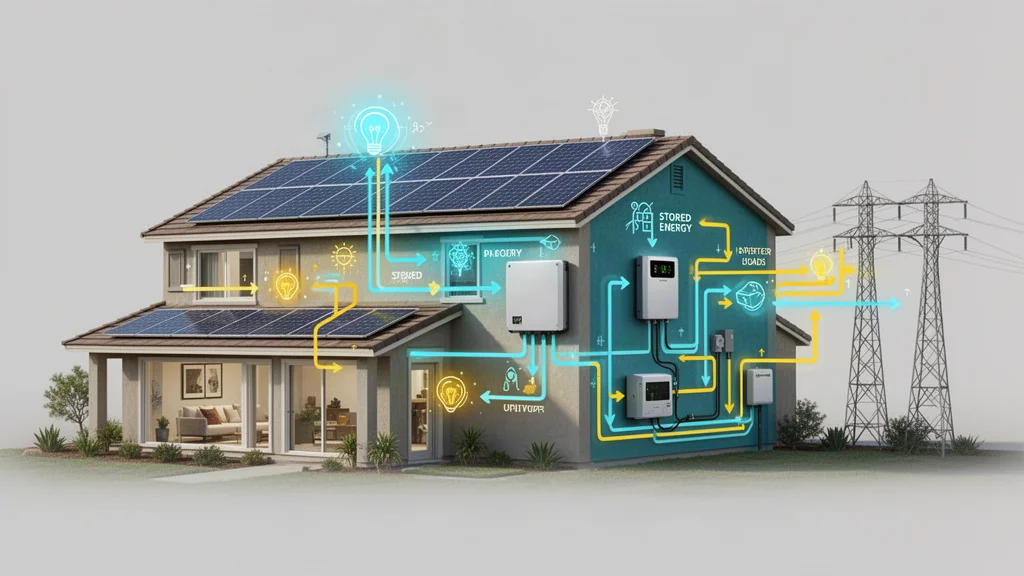
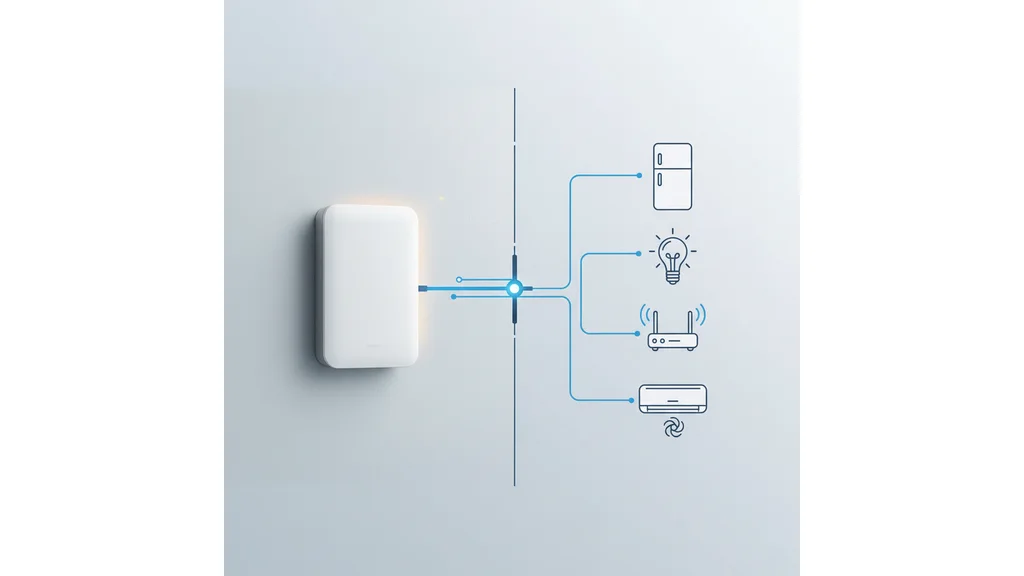
How to plan home battery storage
- List essential loads. Write down the appliances and circuits needed during an outage, including their running watts and any starting surge.
- Compare power and energy. Check continuous output in kW separately from usable stored energy in kWh. Estimate runtime using realistic consumption and conversion losses.
- Verify the operating mode. Ask whether the system can isolate from the grid, recharge from solar during an outage, and comply with the applicable utility interconnection requirements.
For further independent technical context: California Energy Commission — Energy Resources. This is an educational reference, not an installer recommendation.
Frequently asked questions
Is there one Orange County solar or battery rebate for every homeowner?
No. As of October 25, 2026, eligibility and status depend on the electric account, service address, provider, income or property rules, equipment and available funding. Start with a current electric bill.
Is OCPA's $1,000 residential battery rebate open?
No. OCPA says the program is no longer accepting new applications. Its May 15, 2026 installation-and-claim deadline applied to approved reservations, so a new quote should not subtract the old $1,000 amount.
What is Anaheim's Community Solar Discount?
It is a $20 monthly electric-bill credit for up to 12 months for approved income-qualified Anaheim customers, subject to available funding. It is not a rooftop-solar or battery installation rebate.
Who can investigate DAC-SASH in Orange County?
A potentially eligible SCE homeowner must own and occupy a qualifying single-family primary residence, meet CARE or FERA income rules and live in a qualifying disadvantaged community or eligible tribal area. GRID Alternatives makes the eligibility determination.
Is SCE's Residential Solar and Storage Equity funding available now?
SCE currently says its state-funded RSSE budget funds are exhausted and applications are waitlisted. A waitlist position is not a funding award; recheck SCE and SelfGenCA before making a purchase.
Can a 2026 solar or battery installation receive the homeowner federal clean-energy credit?
The IRS says the Residential Clean Energy Credit is unavailable for property placed in service after December 31, 2025. Unused credit from qualifying earlier property may carry forward, which is different from earning a new 2026 credit.
What should a quote show before I rely on an incentive?
It should show the full installed cash price, financing fees, payment schedule and total repayment without unapproved assistance, then identify each program, written reservation status, amount, conditions and who pays if assistance is denied.
Which records should I keep for an application?
Keep the complete bill, account and service-address details, income and ownership evidence when required, equipment specifications, contractor license, itemized price, financing disclosure, permits, administrator messages and dated program-status evidence.
Program contacts and verification
Anaheim Public Utilities — Community Solar Discount
Published utility office address: Anaheim West Tower, 201 S. Anaheim Boulevard, Anaheim, CA 92805
Phone: 714-765-3300
Official program website Verify this information at its official sourceCheck eligibility and take the next step
These links open the official program or its application service.
Confirm OCPA's battery-program closure Check Anaheim's current program and income rules Open Anaheim's official online application Check SCE's current SGIP funding notice Check SelfGenCA's current budget metrics Check GRID Alternatives DAC-SASH eligibilityQuestions worth asking
- Is there one Orange County solar or battery rebate for every homeowner?
- Is OCPA's $1,000 residential battery rebate open?
- What is Anaheim's Community Solar Discount?
- Who can investigate DAC-SASH in Orange County?
- Is SCE's Residential Solar and Storage Equity funding available now?
- Can a 2026 solar or battery installation receive the homeowner federal clean-energy credit?
- What should a quote show before I rely on an incentive?
- Which records should I keep for an application?
Related guides
California solar and battery assistance overviewAnaheim: the $20 monthly community solar discountSCE: understand the solar-plus-storage waitlistDAC-SASH: no-cost rooftop solar eligibilityCalifornia net billing and battery valueSize a home battery around actual loadsCompare solar financing without assumed incentivesSix questions before signing a solar contractBattery details to verify before signingSolar planning in Los Angeles County
Electric utility rules, roof conditions and household electricity use vary by address. Explore regional guidance before relying on a statewide solar savings estimate.
Los Angeles County solar education San Fernando Valley: LADWP, panels and batteries Northridge solar planning Van Nuys solar quotes and utility questions Sylmar roof and battery backup planningStill researching solar?
Search homeowner guides by topic, electric utility, or location.
Sources and further reading
Updated: October 2026. Confirm changing details with the official sources.
These links identify documents and resources used for this guide. Listing a source does not mean it was independently checked today. Utility rates, incentives, product specifications and program availability may change; confirm the latest version and effective date with the source.
Orange County Power Authority — battery program closureOrange County Power Authority — understanding SCE and OCPA bill rolesAnaheim Public Utilities — Community Solar DiscountAnaheim Public Utilities — official income-qualified applicationAnaheim — current qualifying income levelsSCE — SGIP budgets and funding statusSelfGenCA — current SGIP program metricsCalifornia Public Utilities Commission — SGIP overview and administratorsGRID Alternatives — DAC-SASH eligibilityGRID Alternatives — current DAC-SASH program handbookIRS — current Residential Clean Energy Credit cutoff and carryforwardCSLB — verify a California contractor licenseStart with a home energy checkup
Organize your usage, home details and goals before comparing proposals.
Try the home energy checkupReady to compare companies?
Explore provider options when you are ready to request quotes.
Explore provider options