San Diego Solar and Battery Assistance: SGIP Waitlist and Other Programs
As of October 25, 2026, CSE's San Diego SGIP AB 209 solar-and-storage budget is waitlisted; separate local programs may help with solar only.
Published by Home Solar Simplified · Editorial standards
https://homesolarsimplified.org/solar-guides/san-diego-solar-battery-assistance
Published by Home Solar Simplified. Includes 12 linked sources. Documented editorial date: .
A citation or editorial date does not guarantee a tariff, incentive or program remains unchanged today.
Quick answer: route the project by program and current status
As of October 25, 2026, the statewide SGIP tracker lists the Center for Sustainable Energy, or CSE, as the program administrator for the SDG&E territory. It shows the CSE Residential Solar and Storage Equity AB 209 category on a waitlist, while the older Residential Solar and Storage Equity ratepayer category is closed. A waitlist position is not a funding reservation and not a guaranteed award. For solar without a battery, also check the separate San Diego Solar Equity Program and DAC-SASH pathways instead of treating every assistance program as SGIP.
The SGIP tracker says it is updated nightly and does not include applications submitted today or pending lottery results. Save a dated copy of the tracker and the CSE waitlist, then ask CSE what written notice would convert an application from waitlisted to reserved before signing a contract that assumes assistance.
Understand the current SGIP amounts and funding labels
The current SGIP metrics page lists Step 6 rates of $1.10/Wh for storage and $3.10/W for solar under the applicable Residential Solar and Storage Equity categories. Those are incentive-rate ceilings used in the program calculation, not a promise that every project receives the nameplate capacity multiplied by the rate. Eligible cost caps, sizing, ownership, tax-credit treatment, equipment, application timing and available budget can reduce or block payment.
The CSE AB 209 row showed only a small unallocated balance relative to the published waitlist when reviewed. Do not interpret an 'available funds' number as an open intake status; the tracker separately labels the category Waitlist. Funding may move through attrition or reallocation, but CSE must confirm an actual reservation.
Check household, property and prior-program eligibility
CPUC's current RSSE fact sheet says a single-family applicant may qualify by meeting one of several routes: household income at or below 80% of Area Median Income; prior SASH or DAC-SASH participation or reservation; or current eligibility and participation in CARE, FERA or ESA. It also lists separate multifamily eligibility routes. Meeting one route does not prove that CSE has funds or that the proposed equipment, costs and documents satisfy the current handbook.
Confirm the service address and utility territory. CSE administers SGIP for SDG&E territory; a San Diego mailing address served by another utility or a property outside the relevant territory may use another administrator.
Use the 2026 SGIP rules, not an older fact sheet by itself
A January 21, 2026 statewide SGIP announcement says the 2026 SGIP Handbook removed the Demand Response requirement for Residential Equity and Residential Solar and Storage Equity budget applications. An older CPUC RSSE fact sheet still says customers have one year after reservation to enroll in qualified Demand Response. Treat the 2026 announcement and handbook as the newer rule, but have CSE confirm which version controls the application before changing a utility or battery program.
The same 2026 announcement sets June 30, 2028 as the deadline for new AB 209 applications. That program-wide deadline does not make a waitlisted application funded, extend a project-specific milestone or guarantee that money will remain available.
Verify system sizing and any advance-payment claim
Current SGIP sizing rules generally allow a single-family battery up to 15 kWh without the additional storage-sizing workbook; larger proposed capacity needs load justification. CPUC's sizing resolution bases paired storage on average daily excess solar generation in a summer month, or standalone storage on average 4–9 p.m. consumption in a summer month. Ask the developer to show the exact workbook inputs rather than selecting capacity only to maximize an incentive.
The CPUC RSSE fact sheet describes an Advance Payment Program that may provide 50% of the SGIP incentive upfront through eligible developers. That description is not proof that a particular developer is approved, has cap room or that the project qualifies under current 2026 rules. Verify the current developer list, advance-payment cap, contract treatment and payment sequence directly with CSE.
Separate the City of San Diego solar-only program
The San Diego Solar Equity Program is a separate 10-year program funded with SDG&E shareholder funds under the City of San Diego franchise agreement. Its official page describes $10 million in total funding, allocated at $1 million per year, for eligible income-qualifying single-family homeowners in the City of San Diego to install solar panels. It is solar assistance, not a published battery incentive.
Confirm the current program-year budget, address, income, ownership, contractor and application requirements before relying on it. Living in San Diego County is not the same as owning an eligible home inside the City of San Diego.
Check DAC-SASH for a different solar-only route
DAC-SASH is another separate solar pathway. GRID Alternatives currently says the applicant must receive PG&E, SCE or SDG&E service, meet the owner-occupancy requirement for a single-family home used as the primary residence, live in an eligible disadvantaged community and meet CARE or FERA income limits. The program can support qualifying solar installations, but it is not the same as an SGIP battery reservation.
Use GRID's current eligibility form and map. A CARE or FERA enrollment alone does not satisfy the owner-occupancy and geographic tests, and a qualifying disadvantaged-community address alone does not satisfy the income and utility tests.
Correct outdated federal-credit assumptions
Some 2025 SGIP materials say RSSE was designed alongside a 30% federal IRA tax credit. Current IRS guidance says the homeowner Residential Clean Energy Credit is not available for property placed in service after December 31, 2025. A 2026 homeowner proposal should not assume a new Section 25D credit. A valid unused credit from an eligible earlier year may have a historical carryforward, which is different from earning a new credit on a 2026 installation.
Ask a qualified tax professional about the household's facts. A developer, third-party owner or tax-exempt entity may have different federal provisions, but that does not turn a business credit into the homeowner's personal credit.
Price the contract without unreserved assistance
Request an itemized cash price and financing disclosure with no incentive included in the contract price, then show every possible program payment separately. A waitlist entry should not appear as a guaranteed deduction. Require a written reservation before treating funding as committed, and distinguish a submitted application, waitlist position, reservation, installation approval and final incentive disbursement.
Before paying a deposit, get written cancellation and change-order terms and identify who pays any gap if assistance is delayed, reduced or denied. If financing assumes a rebate-funded principal payment, request the full payment schedule with no award, a reduced award and a late award. Do not let an assumed SGIP or solar-equity payment hide the full financed amount, dealer fees or payment-reset risk.
Illustrated explanation
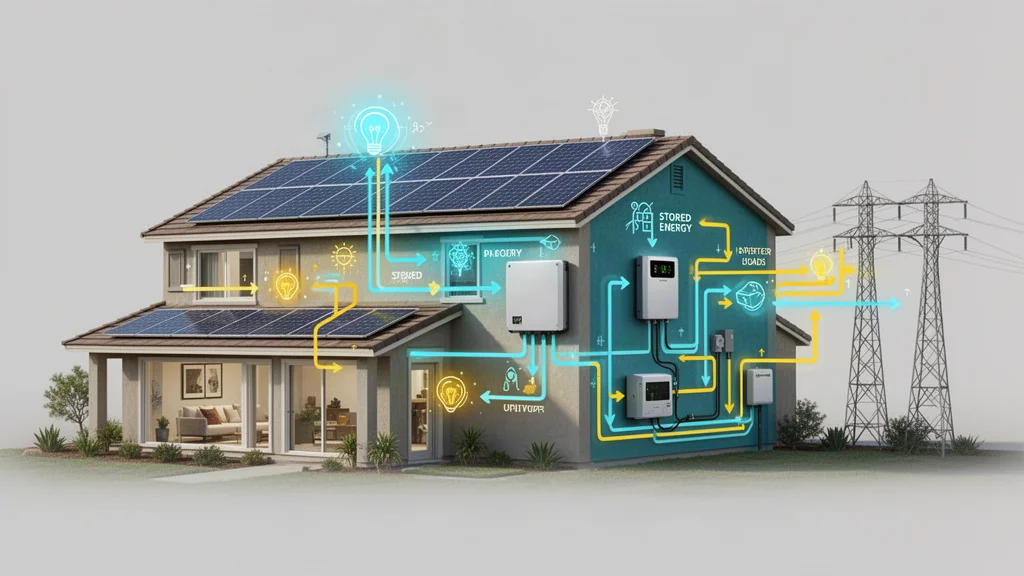
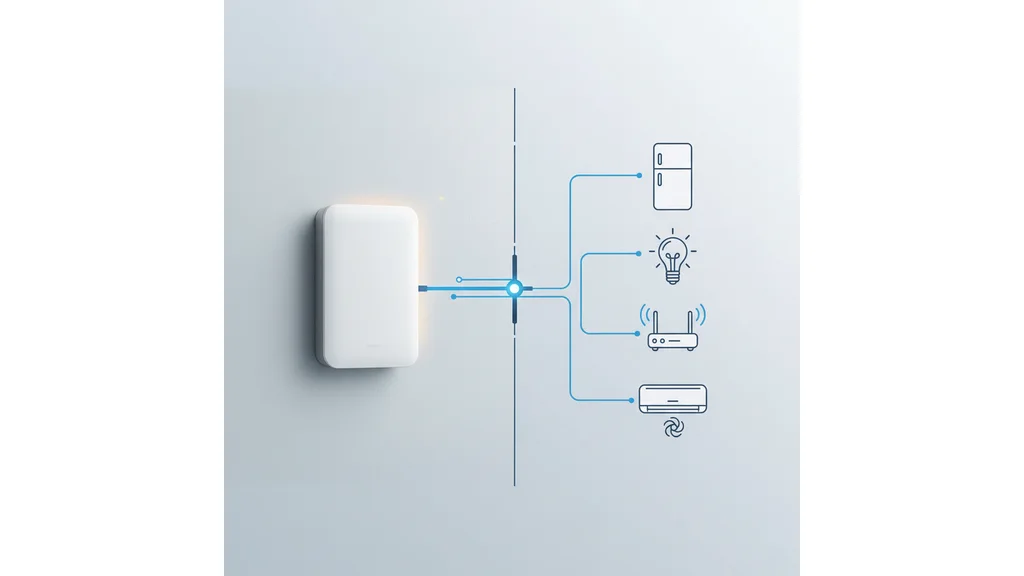
How to plan home battery storage
- List essential loads. Write down the appliances and circuits needed during an outage, including their running watts and any starting surge.
- Compare power and energy. Check continuous output in kW separately from usable stored energy in kWh. Estimate runtime using realistic consumption and conversion losses.
- Verify the operating mode. Ask whether the system can isolate from the grid, recharge from solar during an outage, and comply with the applicable utility interconnection requirements.
For further independent technical context: California Energy Commission — Energy Resources. This is an educational reference, not an installer recommendation.
Frequently asked questions
Is San Diego's SGIP solar-and-storage assistance open?
As of October 25, 2026, the statewide tracker labels CSE's AB 209 Residential Solar and Storage Equity category Waitlist and the older ratepayer-funded category Closed. Recheck the live tracker and CSE before applying.
Does a waitlist position guarantee SGIP money?
No. A waitlist position is not a funding reservation or guaranteed award. Money may become available through attrition or reallocation, but CSE must issue the controlling written notice.
What incentive rates are shown for RSSE?
The current statewide metrics page lists $1.10/Wh for storage and $3.10/W for solar at Step 6. Eligibility, cost caps, sizing, available funds and application rules still control the actual amount.
Who may qualify for residential RSSE?
Published routes include qualifying at or below 80% of Area Median Income, prior SASH or DAC-SASH participation, or current CARE, FERA or ESA participation and eligibility, plus separate multifamily routes. CSE makes the application determination.
Does RSSE still require Demand Response enrollment?
The January 21, 2026 SGIP announcement says the 2026 SGIP Handbook removed that requirement for Residential Equity and RSSE applications. Because an older CPUC fact sheet says otherwise, confirm the controlling version with CSE.
Is the San Diego Solar Equity Program a battery rebate?
Its official description provides assistance for income-qualifying single-family homeowners in the City of San Diego to install solar panels; it does not publish a battery incentive.
Can DAC-SASH help a San Diego homeowner?
Potentially. The current rules require qualifying utility service, owner-occupancy of a primary single-family home, an eligible disadvantaged-community location and CARE or FERA income limits.
Can a 2026 homeowner count on the federal 30% credit?
No. IRS guidance says the homeowner Residential Clean Energy Credit is unavailable for property placed in service after December 31, 2025. A valid historical carryforward from an earlier eligible year is a separate issue.
Program contacts and verification
San Diego SGIP administrator — Center for Sustainable Energy
Phone: 858-244-1177
Email: sgip@energycenter.org
Official program website Verify this information at its official sourceCheck eligibility and take the next step
These links open the official program or its application service.
Check the live SGIP budget tracker Review the CSE AB 209 waitlist Contact CSE about an SDG&E-territory SGIP application Check the San Diego Solar Equity Program Check DAC-SASH eligibility with GRID AlternativesQuestions worth asking
- Is the CSE AB 209 category open, waitlisted or closed today?
- Which eligibility route applies to my household and property?
- What written notice proves I have a funding reservation?
- Does my proposed system need load justification?
- Does the City solar-only program cover my address?
- Could DAC-SASH fit my home?
- Does the 2026 handbook require Demand Response for this application?
- What would I owe with no incentive?
Related guides
Compare California solar and battery assistanceCompare the SCE SGIP pathwayCompare the LADWP RSSE pathwayUnderstand storage under California net billingSize a battery from loads and reserve needsCompare battery fit without assuming an incentiveCompare financing with and without assistanceReview the contract before signingCheck battery design and contract detailsSolar planning in Los Angeles County
Electric utility rules, roof conditions and household electricity use vary by address. Explore regional guidance before relying on a statewide solar savings estimate.
Los Angeles County solar education San Fernando Valley: LADWP, panels and batteries Northridge solar planning Van Nuys solar quotes and utility questions Sylmar roof and battery backup planningStill researching solar?
Search homeowner guides by topic, electric utility, or location.
Sources and further reading
Updated: October 2026. Confirm changing details with the official sources.
These links identify documents and resources used for this guide. Listing a source does not mean it was independently checked today. Utility rates, incentives, product specifications and program availability may change; confirm the latest version and effective date with the source.
SGIP — current program metrics and CSE budget statusSGIP — CSE AB 209 waitlistSGIP — 2026 statewide announcements and handbook changesSGIP — 2026 program handbookCPUC — Self-Generation Incentive Program and current RSSE overviewCPUC — Residential Solar and Storage Equity fact sheetCPUC — Resolution E-5360 residential storage sizing rulesCenter for Sustainable Energy — SGIP administration in SDG&E territorySDG&E — solar and battery storage incentives overviewSan Diego Solar Equity Program — current program descriptionGRID Alternatives — current DAC-SASH eligibilityIRS — Residential Clean Energy Credit current cutoffStart with a home energy checkup
Organize your usage, home details and goals before comparing proposals.
Try the home energy checkupReady to compare companies?
Explore provider options when you are ready to request quotes.
Explore provider options